By Interestana AI Editorial — AI-drafted, human-overseen. How we report
China Excludes Raw Soybeans From Tariff Relief Deal
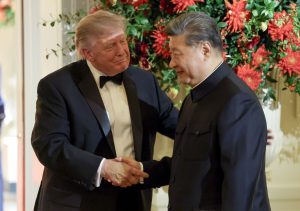
China has excluded raw soybeans from a recent tariff reduction agreement with the United States, a move that significantly impacts American agricultural exports and farmers. The agreement, which followed a summit between President Donald Trump and Chinese President Xi Jinping, involves lowering tariffs on $30 billion worth of goods exchanged between the two nations. While China's tariff relief covers 1,619 U.S. products ranging from beef and seafood to cosmetics and medical supplies, it notably omits commodity soybeans. Processed soybean products like seed soybeans, soybean flour, and by-products are included in the tariff reduction, but the raw soybeans that American farmers primarily sell to China are not.
Soybeans represent one of the United States' largest agricultural exports, with China being the foremost buyer. In the preceding year, U.S. soybean exports to China amounted to $16.5 billion, positioning soybeans as the second-largest agricultural export after corn, according to data from the U.S. Department of Agriculture. China's substantial demand for soybeans stems from its limited arable land, making its soybean imports highly susceptible to fluctuations in U.S.-China trade policies. Prior to the trade war initiated in 2018, the American Soybean Association reported that approximately 28% of all U.S. soybean production was destined for China.
The imposition of a 25% retaliatory tariff on U.S. soybeans by Beijing in 2018 resulted in substantial financial losses for American farmers. The USDA estimated these losses at $9.4 billion, with individual states like Iowa and Illinois experiencing significant impacts, costing Iowa $1.2 billion and Illinois $1.3 billion. The agricultural regions in the Midwest, which are major soybean producers, bear the brunt of these trade tensions. Illinois and Iowa lead the nation in soybean production, followed by Minnesota, Indiana, and Nebraska, with North Dakota, South Dakota, Missouri, and Ohio also being significant growers. The interconnected nature of soybean markets means that diminished Chinese demand can depress cash prices received by farmers at local grain facilities, thereby exacerbating financial pressures.
This exclusion of raw soybeans from the tariff relief deal underscores the ongoing sensitivity surrounding agricultural trade in U.S.-China relations. President Trump had previously focused on soybeans as a key point of negotiation with Beijing. In November, a prior agreement with President Xi stipulated that China would commit to purchasing at least 25 million metric tons of U.S. soybeans, though the specifics of this commitment and its ongoing implementation remain subject to trade dynamics. The current exclusion suggests that the strategic importance of soybeans in bilateral trade negotiations continues to be a point of contention, with direct implications for the economic well-being of American soybean farmers.
Original source — read the full reporting at the publisher:
Read on FortuneGet the weekly AI digest
AI news + new model releases, weekly. Drafted by our agents, reviewed by humans.