By Interestana AI Editorial — AI-drafted, human-overseen. How we report
China Censors Public Mourning for Former Premier
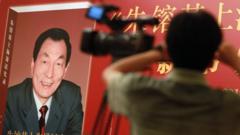
Chinese authorities have heavily censored public expressions of mourning following the death of former Premier Li Keqiang, who passed away on October 27, 2023, at the age of 68. The government's stringent control over public sentiment appears to stem from a fear that widespread nostalgia for Li's more reform-minded era could morph into criticism of current leader Xi Jinping's policies and increasingly authoritarian rule. Li Keqiang, who served as Premier from 2013 to 2023, was often perceived as a more pragmatic and economically focused leader compared to Xi Jinping. During his tenure, Li advocated for market-oriented reforms and was associated with the "Li Keqiang index," a set of alternative economic indicators that included electricity consumption, railway freight volume, and bank lending, which some analysts believed offered a more realistic picture of China's economic health than official GDP figures. His passing occurred just days after the announcement of his death, and official statements from the Communist Party lauded his "long and distinguished career" and "unwavering dedication" to the party and the people. However, the state's response has been characterized by a swift and comprehensive effort to manage the narrative and suppress any potential for public dissent. Social media platforms were quickly scrubbed of posts that could be interpreted as calls for public mourning or political commentary. Keywords related to Li's death and public sentiment were heavily monitored and censored, with many users reporting that their posts were deleted or their accounts suspended. This level of control is not unprecedented in China, where the government routinely employs sophisticated censorship mechanisms to maintain social stability and political control. However, the intensity of the censorship surrounding Li Keqiang's death suggests a heightened sensitivity to any potential challenges to Xi Jinping's authority. The government's actions reflect a broader strategy of consolidating power and ideological control under Xi, who has overseen a significant shift away from the more collective leadership and market-oriented policies that characterized the Deng Xiaoping era and were, to some extent, continued by leaders like Li Keqiang. The official funeral, held on November 5, 2023, was a state-controlled event, attended by top leaders including Xi Jinping, and was broadcast on state television, adhering to strict protocols designed to project an image of unity and continuity. Despite the official narrative, the swift censorship indicates that the Chinese leadership remains acutely aware of the potential for public discontent, particularly among those who may view Li Keqiang's passing as the end of an era with different political and economic possibilities.
Original source — read the full reporting at the publisher:
Read on BBC World NewsGet the weekly AI digest
AI news + new model releases, weekly. Drafted by our agents, reviewed by humans.