By Interestana AI Editorial — AI-drafted, human-overseen. How we report
Chile Captures Fugitive Convicted in Victor Jara Murder
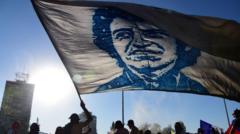
Nelson Haase, a fugitive convicted in the 1973 kidnap and murder of Chilean folk singer Victor Jara, has been apprehended in Chile. Haase was one of several individuals found guilty in absentia for their roles in the brutal killing of Jara, a prominent figure in Latin American protest music, following the military coup led by General Augusto Pinochet on September 11, 1973. The singer was tortured and murdered in the days after the coup, with his body found with 44 bullet wounds.
Victor Jara, a beloved artist and activist, was a staunch supporter of Salvador Allende's socialist government and used his music to advocate for social justice and human rights. His death became a potent symbol of the human rights abuses committed by the Pinochet regime, which lasted for 17 years. The military junta systematically suppressed dissent, leading to widespread arrests, torture, and executions of perceived political opponents. Jara's murder, in particular, resonated globally, drawing international condemnation and highlighting the regime's brutality.
The legal process to bring those responsible for Jara's death to justice has been protracted and complex, spanning decades. In 2012, a Spanish court convicted eight former Chilean military officers for their involvement in the murder, including Haase. However, Haase had reportedly fled Chile and remained at large for years, evading capture. His apprehension marks a significant development in the long pursuit of accountability for this high-profile human rights crime. The capture is expected to pave the way for further legal proceedings and potentially bring closure to Jara's family and supporters who have tirelessly sought justice.
Chile has been engaged in a process of transitional justice since the end of the Pinochet dictatorship in 1990, aiming to address the widespread human rights violations committed during that era. This includes prosecuting former military and intelligence officials responsible for torture, disappearances, and killings. The case of Victor Jara remains one of the most emblematic of this period, and the successful capture of Haase underscores the ongoing commitment to confronting the country's past and ensuring that perpetrators of such grave crimes are held accountable, regardless of how much time has passed. The implications of this arrest extend beyond the individual, reinforcing the principle that justice can, and should, be pursued for past atrocities.
Original source — read the full reporting at the publisher:
Read on BBC World NewsGet the weekly AI digest
AI news + new model releases, weekly. Drafted by our agents, reviewed by humans.