By Interestana AI Editorial — AI-drafted, human-overseen. How we report
Child Review: A Luxembourgish Horror Fable Navigating Organ Black Markets and Societal Divides
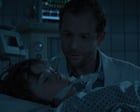
The Luxembourg-made horror film 'Child' plunges viewers into a grim narrative that intertwines a desperate quest for a life-saving organ transplant with unsettling horror tropes and a subtle undercurrent of socio-economic commentary. The film centers on former couple Greg, portrayed by Malik Zidi, and Anne, played by Brigitte Urhausen, who are united by their shared concern for their young son, Leo (Leo Todesco). Leo, a pre-adolescent, is critically ill and awaiting a crucial organ transplant, a situation that forms the emotional core of the story. The review highlights a palpable sense of "first-world guilt" woven into the fabric of the film, suggesting an exploration of income inequality, even within the European Union, as the protagonists venture east.
Anne, characterized as a "control-freak," harbors significant resentment towards Greg, whom she blames for Leo's precarious health. This animosity stems from a past incident where Leo was struck by a car, an event Anne attributes to Greg's momentary lapse in attention. Greg, seeking to atone for this perceived failure, agrees to accompany Anne on a perilous journey to an unnamed Eastern European country, where Bulgarian is spoken. Their objective is to procure the necessary organ through the black market, a clandestine operation facilitated by substantial sums of cash and pre-arranged bribes for border guards, immediately establishing a tone of illicit activity and escalating tension.
The film's horror elements are described as potent, featuring "jump scares" and a menacing antagonist. This "big baddie" is depicted as "grunting, inarticulate and physically disfigured," a classic horror archetype that stalks the protagonists. The setting for these terrifying encounters is a "dilapidated farmhouse full of ominous clutter," evoking a sense of isolation and dread. The review draws a comparison to the "Grand Duchy Chainsaw Massacre," albeit without the titular weaponry, emphasizing the presence of "sullen locals," "ill intentions," and "horrible maiming." Despite the grim subject matter and the straightforward horror setup, the review acknowledges "impressive film-making" from Luxembourg, suggesting a visual competence that elevates the narrative. The film's thematic ambition, while framed by a "twisty" plot, is ultimately seen as a horror fable that, while engaging with broader social concerns, keeps its primary focus firmly rooted in the genre's capacity for suspense and terror.
Original source — read the full reporting at the publisher:
Read on The Guardian CultureGet the weekly AI digest
AI news + new model releases, weekly. Drafted by our agents, reviewed by humans.