By Interestana AI Editorial — AI-drafted, human-overseen. How we report
Chemical Industry Backed Laws Restrict Air Pollution Data Use
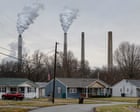
Laws backed by the chemical industry have been enacted in three U.S. states—Louisiana, Kentucky, and Ohio—to restrict the use of air pollution data collected by communities. These laws prevent regulatory agencies from acting on data gathered by citizens unless it originates from Environmental Protection Agency (EPA)-approved equipment, which can cost tens of thousands of dollars. Similar legislative efforts have also been introduced in West Virginia. This trend emerges as the nation's network for monitoring air pollution is deteriorating, making it increasingly difficult for the public to hold polluters accountable.
A Floodlight investigation revealed that over the past two years, lawmakers in Louisiana, Kentucky, and Ohio have passed legislation with striking similarities. These statutes specifically bar regulators from using air-quality data collected by communities themselves. The intent behind these laws appears to be limiting the effectiveness of low-cost air sensors, which are often the only accessible monitoring tools for citizens. The high cost of EPA-approved equipment creates a significant barrier, effectively excluding community-generated data from official consideration.
The decline in public air monitoring networks exacerbates the impact of these state-level restrictions. As official monitoring stations become less prevalent or are decommissioned, the ability of the public and local groups to track pollution levels diminishes. The chemical industry's lobbying efforts at the state level seem designed to preempt or counter any independent data collection that could lead to increased scrutiny or regulatory action against industrial facilities. This strategy effectively centralizes pollution oversight with expensive, government-sanctioned equipment, while sidelining more accessible, community-driven initiatives.
The implications of these laws are significant for environmental justice and public health. Communities often bear the brunt of industrial pollution, and the ability to monitor and report on air quality is a crucial tool for advocating for cleaner environments. By making it harder for regulators to act on community-collected data, these laws may allow polluters to operate with less oversight. The Floodlight investigation highlights a pattern of legislative action that favors industry interests over public access to environmental information and the ability to enforce pollution standards. The ongoing deterioration of the EPA's air monitoring infrastructure further compounds these challenges, leaving fewer avenues for comprehensive air quality assessment and public recourse.
Original source — read the full reporting at the publisher:
Read on The Guardian WorldGet the weekly AI digest
AI news + new model releases, weekly. Drafted by our agents, reviewed by humans.