By Interestana AI Editorial — AI-drafted, human-overseen. How we report
FATF: Centralized DeFi Elements Should Face Regulation
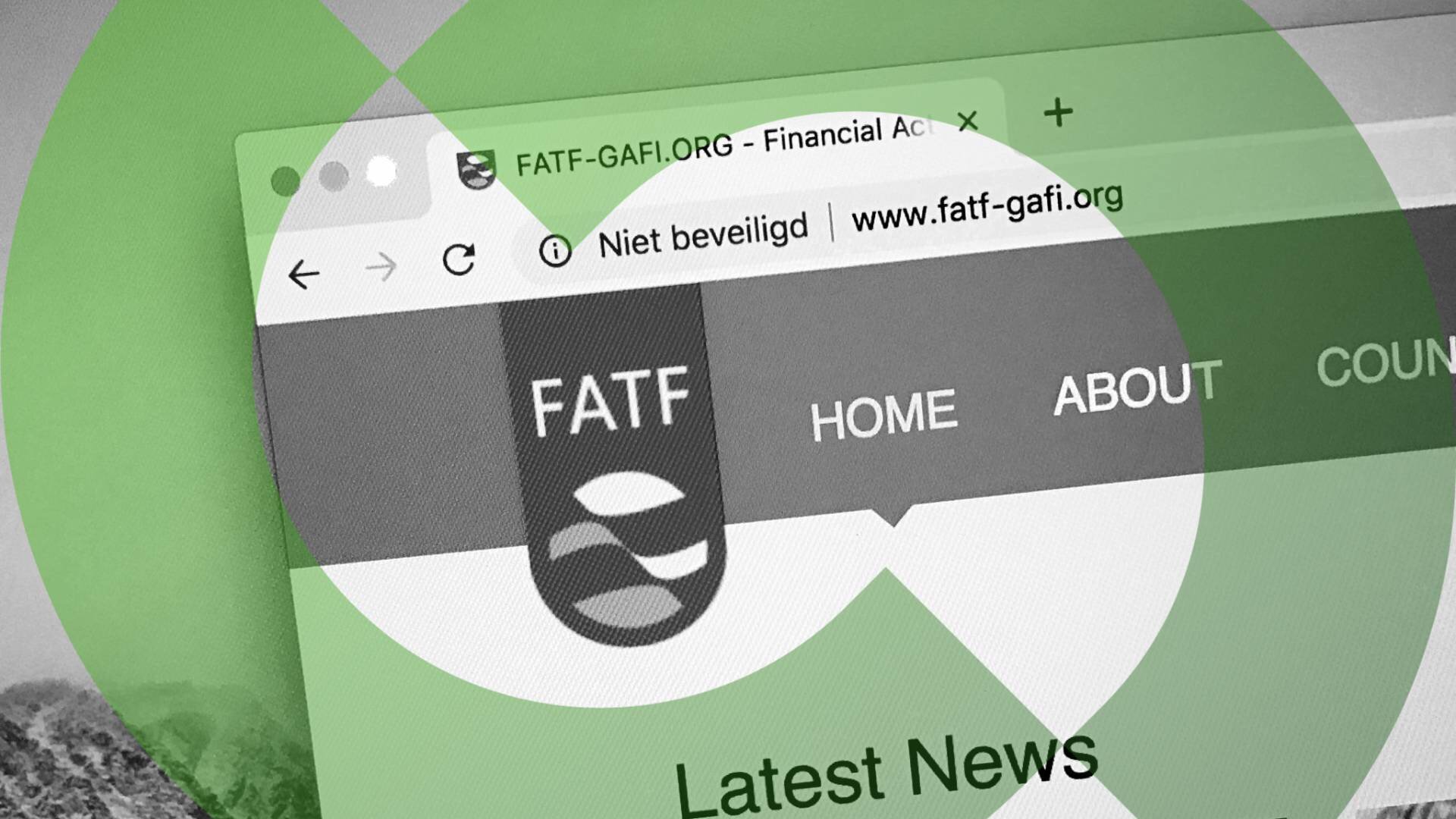
The Financial Action Task Force (FATF) has indicated that centralized components within Decentralized Finance (DeFi) ecosystems should be subject to regulation. In a statement released this week, the FATF highlighted that "frequently persist" centralized elements in DeFi platforms necessitate regulatory oversight. This stance aligns with the FATF's broader efforts to combat illicit finance and ensure compliance with anti-money laundering (AML) and counter-terrorist financing (CTF) standards across the digital asset landscape.
The FATF's guidance suggests that while DeFi aims for decentralization, the presence of identifiable centralized points of control or management introduces risks that traditional financial regulations are designed to address. These risks can include the potential for money laundering, terrorist financing, and other financial crimes. The organization emphasized that existing regulatory frameworks for virtual asset service providers (VASPs) should be considered for application to these centralized aspects of DeFi.
Furthermore, the FATF issued a warning regarding the enforcement of these regulations. The watchdog stated that nearly every country has yet to fully apply the established rules to the digital asset sector. Consequently, platforms that fail to comply with the forthcoming regulatory expectations could face "outright bans." This strong warning underscores the FATF's commitment to ensuring that the rapid growth of DeFi does not outpace the development and implementation of necessary safeguards against financial crime.
The implications of this guidance are significant for the DeFi industry, which has largely operated with a degree of regulatory ambiguity. The FATF's call for regulation of centralized elements could lead to increased compliance burdens for DeFi projects that exhibit such characteristics. It also signals a global trend towards greater scrutiny and control over digital finance, aiming to integrate it more securely within the existing financial system.
Original source — read the full reporting at the publisher:
Read on DecryptGet the weekly AI digest
AI news + new model releases, weekly. Drafted by our agents, reviewed by humans.