By Interestana AI Editorial — AI-drafted, human-overseen. How we report
Carney Calls Trump Tariffs Miscalculation After Trade Talks
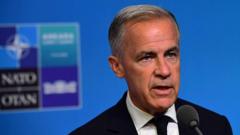
Canadian Prime Minister Mark Carney stated on Saturday morning that Canada withdrew from trade negotiations to safeguard its sovereignty, characterizing the newly imposed U.S. tariffs as a "miscalculation." The remarks followed the breakdown of talks between the two nations, which had been aimed at resolving ongoing trade disputes. Carney's comments suggest a significant divergence in perspectives between the Canadian government and the Trump administration regarding the future of bilateral trade relations and the appropriate methods for addressing trade imbalances. The imposition of tariffs by the United States has been a recurring point of contention, with Canada consistently arguing that such measures are counterproductive and harmful to both economies. The Prime Minister's assertion that Canada walked away to protect its sovereignty indicates a firm stance against what it perceives as undue pressure or demands from the U.S. side. This move signals a potential escalation in trade tensions, as Canada appears unwilling to concede on issues it deems critical to its national interests and economic independence. The collapse of these negotiations raises concerns about the stability of the North American trading bloc and could lead to further retaliatory measures or disruptions in supply chains. The specific nature of the "miscalculation" by the Trump administration was not detailed, but it likely refers to the belief that the tariffs would compel Canada to agree to U.S. demands. Instead, Canada's response suggests that the tariffs have had the opposite effect, hardening its negotiating position and leading to a complete cessation of talks. This development underscores the complex and often fraught nature of international trade diplomacy, particularly when national sovereignty and economic interests are perceived to be at stake. The Canadian government's decision to prioritize sovereignty over continued negotiation in the face of new tariffs highlights a strategic choice to resist what it views as coercive trade practices. The implications of this breakdown extend beyond the immediate trade dispute, potentially impacting broader diplomatic relations and economic cooperation between Canada and the United States. The Prime Minister's direct criticism of the tariffs as a "miscalculation" implies a belief that the U.S. strategy has failed to achieve its intended objectives and has instead created a more challenging environment for future engagement. This situation warrants close observation as both countries navigate the fallout from the collapsed trade talks and the continued imposition of tariffs.
Original source — read the full reporting at the publisher:
Read on BBC World NewsGet the weekly AI digest
AI news + new model releases, weekly. Drafted by our agents, reviewed by humans.