By Interestana AI Editorial — AI-drafted, human-overseen. How we report
Canva Code 2.0 Simplifies App Creation With Plain Language
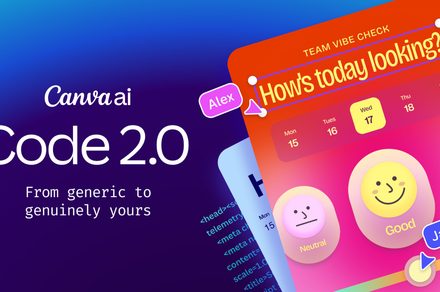
Canva Code 2.0 was released this week, enabling users to create applications, websites, and interactive experiences through plain language commands. This new version integrates directly into the familiar Canva editor, aiming to democratize the process of digital creation.
The platform allows users to describe their desired outcomes in natural language, which Canva Code 2.0 then translates into functional code. This approach significantly lowers the barrier to entry for individuals who may not have traditional coding expertise. The tool is designed to handle a range of projects, from simple websites to more complex interactive applications.
Canva's strategy with Code 2.0 appears to be an extension of its broader mission to make design and content creation accessible to a wider audience. By incorporating code generation capabilities into its existing user-friendly interface, the company is positioning itself as a comprehensive platform for digital expression, moving beyond static design elements into dynamic digital products. The emphasis is on "vibe coding," suggesting a focus on intuitive, creative control rather than technical precision.
This development could empower small businesses, educators, and individuals to build their own digital tools and online presences without relying on external developers or extensive technical training. The integration within Canva means users can leverage existing design assets and workflows, seamlessly transitioning from visual design to functional application development. The exact technical specifications and the range of complexity supported by Canva Code 2.0 are detailed in the platform's documentation.
Original source — read the full reporting at the publisher:
Read on Digital TrendsGet the weekly AI digest
AI news + new model releases, weekly. Drafted by our agents, reviewed by humans.