By Interestana AI Editorial — AI-drafted, human-overseen. How we report
DIY Enthusiast Tests Portable Battery Banks For EV Range Extension
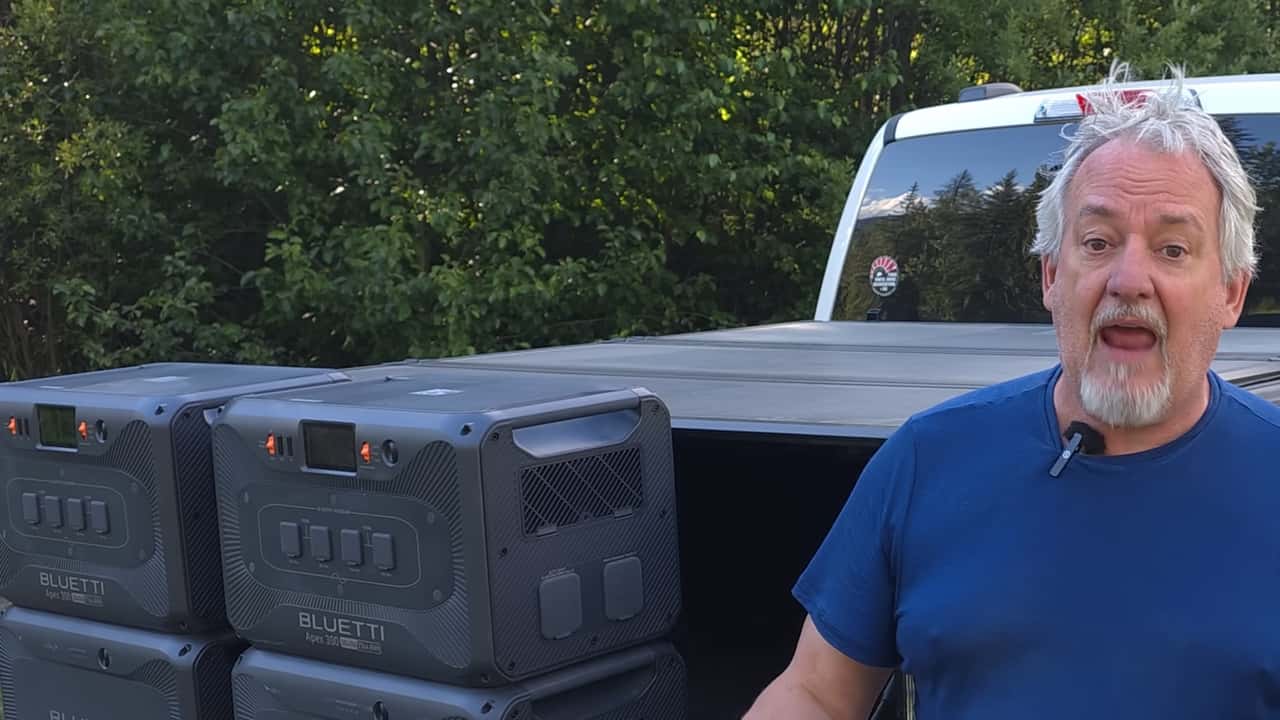
A DIY enthusiast is actively testing the feasibility of extending an electric vehicle's (EV) range by connecting portable battery banks directly to the car's system. This experimental approach aims to supplement the primary battery, potentially offering a solution for drivers facing range anxiety or limited charging infrastructure. The project involves custom wiring and power management to ensure the external batteries can safely and effectively deliver charge to the vehicle.
The experiment, documented through video logs, showcases the technical challenges and potential benefits of such a setup. The enthusiast is carefully monitoring battery performance, charging rates, and the overall impact on the vehicle's driving distance. Early results suggest that while the concept is technically possible, significant hurdles remain in terms of efficiency, safety, and practical integration with existing EV charging standards. The goal is to determine if this unconventional method can provide a meaningful increase in usable range.
This initiative highlights the growing interest in innovative solutions for electric vehicle charging and range extension. While mainstream EV manufacturers focus on faster charging technologies and larger battery packs, independent tinkerers are exploring alternative methods. The success or failure of this DIY project could provide valuable insights into the potential for modular or supplementary battery systems in the future, even if it requires significant further development to become a commercially viable option.
Original source — read the full reporting at the publisher:
Read on InsideEVsGet the weekly AI digest
AI news + new model releases, weekly. Drafted by our agents, reviewed by humans.