By Interestana AI Editorial — AI-drafted, human-overseen. How we report
The Fragile Future of the Never-Trump Coalition: Navigating Post-Presidency Challenges
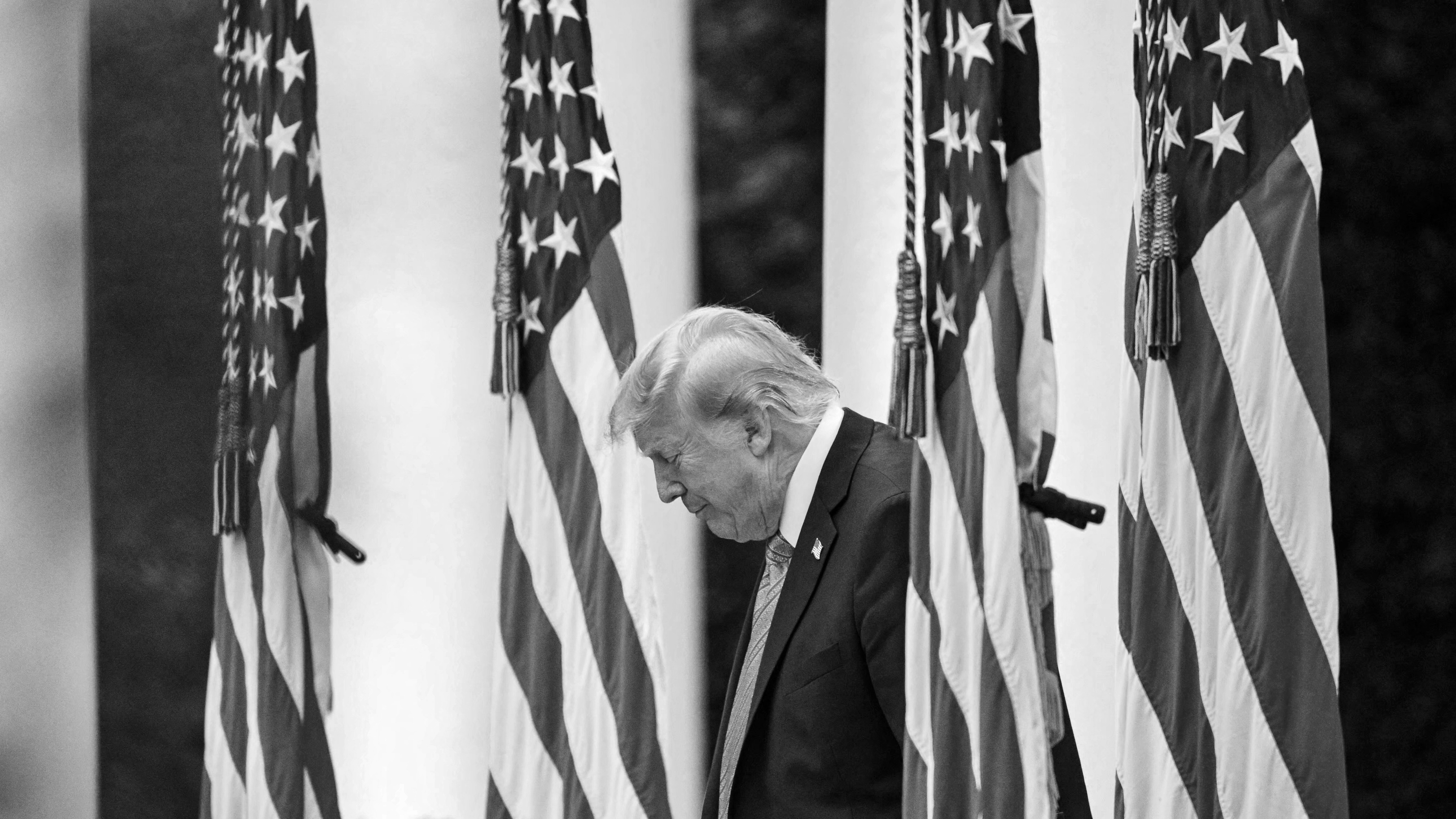
The coalition of individuals and groups united by their staunch opposition to former President Donald Trump is now confronting significant challenges to its continued existence and influence. This diverse alliance, often characterized as "strange bedfellows," was primarily bound by a shared desire to prevent Trump's return to the presidency. However, as the immediate threat of his presidency recedes, the core objective that once unified disparate factions is becoming less potent, leading to internal friction and strategic divergence. The coalition encompasses a broad spectrum of political ideologies, including traditional Republicans disillusioned with Trump's populist appeal and perceived departure from conservative orthodoxy, moderate Democrats seeking a return to more centrist governance, and independent voters who prioritize stability and traditional political norms. Key figures and organizations within this movement have historically voiced strong criticisms of Trump's policies, rhetoric, and his perceived damage to democratic institutions and norms. For instance, prominent Republican figures like Liz Cheney and organizations such as The Lincoln Project, which actively campaigned against Trump, represent different facets of this opposition. Their shared goal was to counter Trump's influence, but the waning of his immediate political dominance has exposed underlying ideological differences and competing priorities among coalition members. Disagreements persist on how to address other pressing political issues, such as economic policy, social issues, and foreign relations. Furthermore, there are divergent views on the future direction of the Republican Party itself – whether it should fundamentally reform or attempt to reclaim its pre-Trump identity. The specific strategies required to maintain political relevance without a singular, unifying antagonist are also a point of contention. The sustainability of the Never-Trump movement hinges on its ability to forge a new common ground or adapt its mission beyond mere opposition. Analysts suggest that without a clear, forward-looking agenda that addresses contemporary political and economic concerns, the coalition risks fragmentation. The long-term viability will likely depend on whether its constituent parts can find shared values and actionable goals that transcend their initial anti-Trump stance. This includes navigating the complex landscape of future elections, policy debates, and the broader cultural and political shifts occurring in the United States. The movement's success in the past was largely reactive; its future success may require a proactive and cohesive vision that can attract and retain a broad base of support beyond its initial raison d'être.
Original source — read the full reporting at the publisher:
Read on The AtlanticGet the weekly AI digest
AI news + new model releases, weekly. Drafted by our agents, reviewed by humans.