By Interestana AI Editorial — AI-drafted, human-overseen. How we report
Arctic Ecosystems Studied for Climate Adaptation
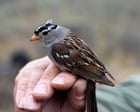
Scientists are undertaking a novel project on Alaska's North Slope to determine if entire Arctic ecosystems can evolve collectively to adapt to the escalating climate crisis. This research moves beyond the traditional "survival of the fittest" paradigm to explore how species might adapt in concert within their environment. The study is centered around streams and tundra regions, with a specific focus on the area near Galbraith Creek, which flows from the Brooks Range, a significant source of ice and snow.
During the brief Arctic summer, researchers are meticulously collecting biological samples from various species to understand their dietary habits and how these change throughout the season. One key focus is the white-crowned sparrow, a species that migrates to these southerly latitudes to breed. Scientists are capturing these birds using mist nets to obtain blood, feather, and fecal samples. These samples provide crucial data on the birds' diets, offering insights into their food sources and any shifts in consumption patterns as the summer progresses. The sparrows rely on the abundant insects that emerge on the tundra during this short period to establish territories, find mates, lay eggs, and successfully raise their young.
The research aims to understand the intricate web of interactions within the Arctic ecosystem and how these relationships might facilitate or hinder adaptation to rapid environmental changes. By analyzing the genetic makeup, dietary patterns, and behavioral changes of various species, scientists hope to identify mechanisms of collective adaptation. This includes examining how predator-prey relationships, competition for resources, and symbiotic interactions might evolve in response to warming temperatures, altered precipitation patterns, and melting permafrost. The findings could have significant implications for conservation efforts and our understanding of ecological resilience in extreme environments.
The project's location on Alaska's North Slope is critical, as this region is experiencing some of the most pronounced effects of climate change globally. The rapid warming in the Arctic leads to significant environmental shifts, including changes in vegetation, ice cover, and the timing of seasonal events. Understanding how the species within these dynamic ecosystems respond and adapt to these pressures is vital for predicting the future health and stability of the Arctic environment. The scientists' careful approach, involving detailed sample collection and analysis, underscores the complexity of studying ecosystem-level adaptation in real-time.
Original source — read the full reporting at the publisher:
Read on The Guardian EnvironmentGet the weekly AI digest
AI news + new model releases, weekly. Drafted by our agents, reviewed by humans.