By Interestana AI Editorial — AI-drafted, human-overseen. How we report
California Sets Efficiency Rules for Replacement Tires
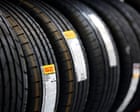
California has established itself as the first U.S. state to implement regulations requiring replacement tires to meet specific energy efficiency standards. This significant auto industry regulation is designed to prohibit the sale of older, less efficient tires, thereby contributing to greener vehicle operation on the state's roadways. State regulators have indicated that these new rules are projected to yield a reduction in emissions and lower fuel expenses for drivers. The regulations come at a time when the Trump administration has been actively challenging other California-led restrictions aimed at promoting greener vehicles, including efforts to block the state's gas car ban. The tire efficiency mandate has already encountered a backlash from conservative circles, with one conservative news outlet characterizing the policies as a "massive overreach." The California Air Resources Board (CARB) is the agency responsible for developing and enforcing these new tire efficiency standards. The specific efficiency metrics and testing protocols for tires will be detailed in the final regulatory text, which is expected to be released following a public comment period. The goal is to align tire performance with broader state objectives for air quality improvement and climate change mitigation. The tire industry itself has been engaged in discussions with CARB regarding the feasibility and implementation of these standards. Manufacturers will need to ensure their replacement tire offerings meet the stipulated energy efficiency benchmarks to be sold within California. This initiative is part of a larger trend towards performance-based regulations in the automotive sector, pushing for advancements in fuel economy and reduced environmental impact across all vehicle components. The economic implications for tire manufacturers and distributors are also being assessed, with potential shifts in production and inventory management anticipated. Drivers in California may see a gradual change in the tire market, with a greater availability of certified energy-efficient options over time. The success of these regulations will likely be measured by their impact on overall vehicle fuel consumption and tailpipe emissions, as well as the degree of compliance from the automotive aftermarket sector. The state's pioneering approach could set a precedent for other states seeking to enhance environmental performance within their transportation sectors.
Original source — read the full reporting at the publisher:
Read on The Guardian WorldGet the weekly AI digest
AI news + new model releases, weekly. Drafted by our agents, reviewed by humans.