By Interestana AI Editorial — AI-drafted, human-overseen. How we report
California Bans Paraquat Herbicide Linked to Parkinson's
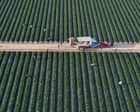
California has enacted a ban on paraquat, a highly toxic and controversial herbicide, marking a significant shift in agricultural policy for the state, which is the largest user of the pesticide in the United States. This ban aligns California with more than 70 countries, including China, the United Kingdom, and the European Union, which have already outlawed the substance due to its severe health risks. Public health advocates have long characterized paraquat as a deadly chemical virtually proven to cause Parkinson's disease, a neurodegenerative disorder affecting movement. Despite these concerns and international prohibitions, the U.S. Environmental Protection Agency (EPA) reapproved paraquat for use in 2021 and again in 2024, a decision that has drawn considerable criticism from environmental and health organizations. The herbicide is applied across millions of acres of American cropland, primarily for weed control in genetically modified crops like corn, soybeans, and cotton, as well as in orchards and vineyards. Its application is often associated with no-till farming practices, which aim to reduce soil erosion and improve soil health. However, the acute toxicity of paraquat means that accidental exposure can lead to severe poisoning, characterized by respiratory failure, kidney damage, and heart problems, often resulting in death. Chronic, low-level exposure has been increasingly linked to the development of Parkinson's disease in epidemiological studies. The California Department of Pesticide Regulation (CDPR) has been evaluating paraquat for several years, considering its risks and benefits. The ban's implementation date and specific regulations regarding existing stocks and alternative weed management strategies are expected to be detailed in subsequent announcements by state agencies. This legislative action by California, a state with immense agricultural output and influence, could potentially spur further regulatory action at the federal level or encourage other states to reconsider their own policies on paraquat. The agricultural industry, which relies on paraquat for its efficacy and cost-effectiveness, is likely to face challenges in transitioning to alternative herbicides or integrated pest management systems. Environmental groups and Parkinson's advocacy organizations have hailed the ban as a critical victory for public health and environmental safety, urging continued vigilance and enforcement to protect farmworkers and rural communities from the dangers of toxic pesticides.
Original source — read the full reporting at the publisher:
Read on The Guardian WorldGet the weekly AI digest
AI news + new model releases, weekly. Drafted by our agents, reviewed by humans.