By Interestana AI Editorial — AI-drafted, human-overseen. How we report
Cable Lobby to Sue FCC Over TV Ownership Cap Repeal
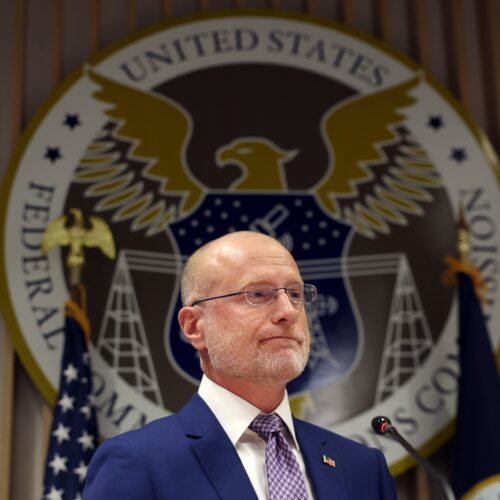
Cable lobby groups have formally notified the Federal Communications Commission (FCC) of their intent to file a lawsuit challenging the agency's recent repeal of the National Television Ownership Rule. This rule previously imposed limits on the number of broadcast television stations a single entity could own nationwide. The cable industry representatives argue that the FCC's decision to remove this cap is "arbitrary and capricious" and will inevitably lead to negative consequences for consumers.
According to the cable lobby, allowing larger broadcast television station groups to consolidate ownership will grant them increased leverage. This leverage, they contend, will be used to demand higher retransmission fees from TV providers. The direct result of these increased costs, the lobby groups assert, will be "higher monthly TV bills for consumers." They further stated that the FCC's repeal order "arbitrarily and capriciously ignores the harms that will surely follow from allowing broadcast station groups to exceed the National Cap."
The coalition of cable lobby groups includes major providers such as Comcast and Charter, along with numerous other cable operators. These companies have also been actively engaged in expanding their market presence through mergers and acquisitions. For instance, Charter recently completed its acquisition of Cox in August. This particular deal faced protests from various advocacy groups, who argued that the transaction "would create unchecked gatekeeper power over Internet distribution" and empower the largest cable companies to unilaterally increase prices. The FCC's approval of the Charter-Cox deal, despite these objections, appears to have further fueled the cable industry's opposition to the broader deregulation of ownership caps.
The National Television Ownership Rule, before its repeal, was a cornerstone of broadcast media regulation designed to promote diversity of voices and prevent undue concentration of media power. Its elimination by the FCC, under the leadership of Chairman Ajit Pai during the Trump administration, was framed as a move to modernize regulations and encourage investment in local broadcasting. However, opponents, including consumer advocates and now the cable industry itself, have consistently raised concerns about the potential for increased market consolidation and its adverse effects on competition and consumer costs. The impending lawsuit signifies a significant legal challenge to the FCC's deregulatory agenda concerning broadcast ownership.
Original source — read the full reporting at the publisher:
Read on Ars TechnicaGet the weekly AI digest
AI news + new model releases, weekly. Drafted by our agents, reviewed by humans.