By Interestana AI Editorial — AI-drafted, human-overseen. How we report
Burnham Views Israeli Settlement Sanctions as Electoral Asset
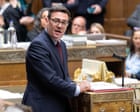
Andy Burnham, the Mayor of Greater Manchester, views the imposition of a trade ban on illegal Israeli settlements as a significant electoral asset, a stance he articulated during a recent exchange at Prime Minister's Questions. This strategic positioning suggests a deliberate effort to leverage a potentially contentious issue into a political advantage. Burnham's announcement of the trade ban on Tuesday was met with an attack from Kemi Badenoch, the Secretary of State for Business and Trade, concerning defence spending. However, Burnham chose to pivot the conversation back to the settlement sanctions, indicating its prominence in his political agenda.
This approach contrasts with historical political considerations, where imposing strict trade sanctions on Israel might have been perceived as politically perilous for a British prime minister. Burnham's confidence in its electoral appeal suggests a calculated assessment of public opinion and political currents. While specific polling data referenced in the original context indicated strong support for such a ban among Labour, Liberal Democrat, and Green voters, the survey also noted that even Conservative and Reform UK voters were generally in favour. This broad-based potential support underpins Burnham's belief in its electoral viability.
The proposed trade ban specifically targets goods produced in illegal Israeli settlements in the West Bank. The international community largely considers these settlements to be in violation of international law. By advocating for a ban on trade with these settlements, Burnham is aligning himself with a policy that seeks to exert economic pressure to influence the status of these territories. This move could resonate with a segment of the electorate concerned with human rights, international law, and ethical trade practices. The political discourse surrounding such sanctions is often complex, involving considerations of foreign policy, economic impact, and domestic political sensitivities.
Burnham's decision to highlight this policy during a parliamentary debate, even when challenged on other fronts, underscores its importance to his political strategy. It signals a willingness to engage with divisive issues and to frame them in a manner that he believes will garner public support. The effectiveness of this strategy will likely depend on how the issue evolves in the public consciousness and how other political actors respond to Burnham's assertive stance. The broader implications for UK foreign policy and its relationship with Israel and Palestine remain to be seen, but Burnham's framing suggests a clear intention to use this policy as a point of differentiation and appeal in the political arena.
Original source — read the full reporting at the publisher:
Read on The Guardian WorldGet the weekly AI digest
AI news + new model releases, weekly. Drafted by our agents, reviewed by humans.