By Interestana AI Editorial — AI-drafted, human-overseen. How we report
Heathrow Third Runway Faces Four-Year Delay
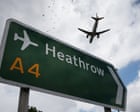
Heathrow Airport's long-proposed third runway project is facing a significant delay, with operations now anticipated to commence by 2039 rather than the previously targeted 2035 deadline. This postponement means the airport will not secure planning permission until 2029, followed by a construction period of approximately a decade. The news has drawn criticism from project opponents, who argue that the extended delay further undermines the justification for the expansion. Prime Minister Rishi Sunak has declined to explicitly state his support for the "contested" Heathrow expansion, a project that has been a subject of debate for many years. The original plan aimed for the third runway to be operational by 2035, a timeline now deemed unachievable by airport authorities. This revised schedule suggests a four-year setback from the initial target. The project's continued uncertainty and escalating timelines have fueled skepticism among environmental groups and local communities who have consistently opposed the expansion, citing concerns over increased noise pollution, air quality degradation, and carbon emissions. Critics contend that the repeated delays and the shifting operational dates make the economic and environmental case for the third runway "even more dubious." The airport's management has indicated that securing the necessary planning permissions remains a critical hurdle, with the current projection placing the completion date at the end of the next decade. This situation highlights the complex challenges associated with large-scale infrastructure projects, including regulatory approvals, public consultation, and evolving economic and environmental considerations. The ongoing debate surrounding Heathrow's expansion reflects broader discussions about aviation's role in climate change and the balance between economic growth and environmental sustainability. The refusal of the Prime Minister to offer a definitive stance on the project adds another layer of political uncertainty to its future. The projected operational date of 2039 implies that the runway, if completed, would be delivered over 20 years after initial proposals gained significant traction. This extended gestation period is characteristic of major infrastructure developments, but the repeated revisions to the timeline at Heathrow have become a recurring theme. The airport's ambition to increase capacity through a third runway has been a contentious issue for decades, facing legal challenges and political opposition. The current delay is not an isolated incident but rather a continuation of the project's troubled history. Environmental organizations have consistently pointed to the carbon footprint of aviation and argued against any expansion that would facilitate increased flights. They advocate for investment in sustainable aviation fuels and improved rail infrastructure as alternatives to airport expansion. The economic arguments for the runway, often centered on job creation and increased connectivity, are now being weighed against the environmental costs and the viability of the project given the extended timeline. The lack of a clear commitment from the government on the Heathrow expansion leaves its future in a state of flux, impacting investment decisions and strategic planning for both the airport and the wider aviation sector.
Original source — read the full reporting at the publisher:
Read on The Guardian WorldGet the weekly AI digest
AI news + new model releases, weekly. Drafted by our agents, reviewed by humans.