By Interestana AI Editorial — AI-drafted, human-overseen. How we report
Bumble Allows Any User to Send First Message
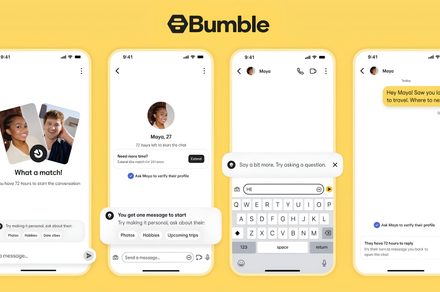
Bumble, the dating application founded by Whitney Wolfe Herd, has implemented a significant alteration to its core matching functionality, empowering any user within a match to initiate the initial communication. This change moves away from Bumble's signature feature where only women were permitted to send the first message. The platform has also extended the timeframe for responding to a match, increasing it from 24 hours to 72 hours. This adjustment aims to provide users with more flexibility and reduce the pressure associated with immediate responses, potentially leading to more thoughtful interactions and fewer missed connections. The previous 24-hour window often created a sense of urgency, which could lead to matches expiring before either party had a chance to engage. The extended 72-hour period offers a more relaxed environment for users to consider their options and craft a meaningful opening message. This strategic update by Bumble is designed to enhance user experience and potentially increase engagement rates on the platform. By democratizing the first move, Bumble seeks to foster a more balanced and less prescriptive dating environment, catering to a broader range of user preferences and communication styles. The company's decision to modify this long-standing feature underscores a commitment to evolving its service based on user feedback and market trends in the competitive online dating landscape. The implications of this change are expected to be closely watched by competitors and users alike, as it represents a notable departure from the app's original premise. The extended response window is also a critical element, acknowledging that users may have busy schedules or require more time to formulate an appropriate message. This dual approach of empowering any user to initiate and providing a longer response window aims to create a more user-friendly and less time-sensitive experience. Bumble's innovation in the dating app space has historically been a key differentiator, and this latest update continues that trend by adapting to the evolving dynamics of online courtship. The company has not specified any particular metrics it expects to improve, but the changes are broadly anticipated to boost user satisfaction and potentially increase the number of successful conversations initiated on the app. The shift from a female-led initial contact to a more open system reflects a broader trend in digital communication, where spontaneity and user agency are increasingly valued. This move could also attract a new demographic of users who may have been hesitant to join Bumble due to its previous initiation protocol. The 72-hour response window is a substantial increase, offering a significant buffer for users who might be occupied with work, studies, or other commitments. This flexibility is crucial in a digital age where constant connectivity is not always feasible or desirable. The success of this new system will likely be measured by user retention, engagement metrics, and overall user satisfaction reported through app reviews and surveys. Bumble's strategic pivot aims to balance its unique brand identity with the practicalities of modern dating, ensuring its continued relevance and appeal in a crowded market.
Original source — read the full reporting at the publisher:
Read on Digital TrendsGet the weekly AI digest
AI news + new model releases, weekly. Drafted by our agents, reviewed by humans.