By Interestana AI Editorial — AI-drafted, human-overseen. How we report
Amazon Burned Area Declines Sharply in 2025
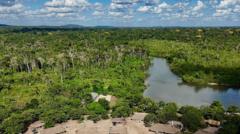
The total area of land burned in Brazil's Amazon rainforest reached its lowest point since record-keeping began in 1985, according to data released this week by MapBiomas, a collaborative network of research institutions and NGOs.
MapBiomas reported that the 2025 fire season saw a significant reduction in burned areas compared to previous years. While specific figures for 2025 were not immediately available in the initial report, the overall trend indicates a substantial decrease. This marks a positive development for the preservation of the world's largest tropical rainforest, which has been under immense pressure from deforestation and agricultural expansion.
The decline in burned areas is attributed to a combination of factors, including intensified enforcement of environmental laws and increased monitoring efforts by Brazilian authorities. Additionally, a reduction in deforestation rates in the preceding months likely contributed to fewer ignition sources for fires. The data from MapBiomas serves as a crucial indicator of the health of the Amazon and the effectiveness of conservation policies.
MapBiomas's annual reports provide detailed analysis of land use and land cover changes across Brazil, with a specific focus on the Amazon basin. Their methodology involves analyzing satellite imagery to track deforestation, fires, and other land transformations. The consistent data collection since 1985 allows for long-term trend analysis and the assessment of environmental policy impacts. The organization's findings are widely referenced by scientists, policymakers, and international bodies concerned with climate change and biodiversity.
Original source — read the full reporting at the publisher:
Read on BBC World NewsGet the weekly AI digest
AI news + new model releases, weekly. Drafted by our agents, reviewed by humans.