By Interestana AI Editorial — AI-drafted, human-overseen. How we report
Brain Disease Higher in Ex-NFL Players Study Finds
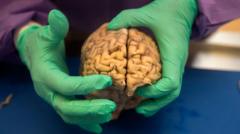
A recent study has revealed that degenerative brain disease was present in at least one in four former National Football League (NFL) players who died between 2016 and 2021, suggesting the actual prevalence may be significantly higher than previously understood. The research, which analyzed the brains of deceased former players, points to a concerning trend in the long-term health consequences of professional football. While the study provides a concrete minimum figure, researchers emphasize that this represents a lower bound, and the true extent of the disease among this population could be substantially greater. This finding underscores ongoing concerns about the cumulative impact of head trauma experienced by athletes in high-contact sports.
The study's methodology involved examining the neuropathological outcomes of a cohort of former NFL players. The period of 2016 to 2021 was chosen to capture recent mortality data within the ex-player community. The identification of degenerative brain disease in at least 25% of this group provides a critical data point for understanding the risks associated with playing professional football. The researchers' caution that this figure could be much higher implies that the sample may not fully represent the entire population of deceased former players or that the diagnostic criteria applied might not capture all affected individuals. This uncertainty highlights the need for continued research and broader data collection.
Degenerative brain diseases, such as chronic traumatic encephalopathy (CTE), have become a major focus of concern within the sports medicine community and among former athletes. CTE is a progressive brain condition linked to repeated head injuries, including concussions and subconcussive blows, which are common in football. Symptoms can include memory loss, confusion, impaired judgment, impulse control problems, aggression, depression, and eventually progressive dementia. The long latency period between playing and the onset of symptoms means that the full impact of playing careers may not become apparent for decades, making longitudinal studies crucial.
The implications of this study extend beyond the immediate health of former players, impacting the future of the sport itself. Increased awareness of these risks has led to calls for rule changes, improved equipment, and better protocols for managing head injuries in professional and youth football. Organizations like the NFL have faced increasing scrutiny and legal challenges related to player health and safety. This new data adds further weight to the argument that the sport's inherent risks require ongoing and robust mitigation strategies to protect the long-term well-being of its participants. The study's findings are expected to fuel further debate and research into the neurodegenerative consequences of professional football.
Original source — read the full reporting at the publisher:
Read on BBC SportGet the weekly AI digest
AI news + new model releases, weekly. Drafted by our agents, reviewed by humans.