By Interestana AI Editorial — AI-drafted, human-overseen. How we report
US-Iran Tensions Threaten End to Gas Price Relief
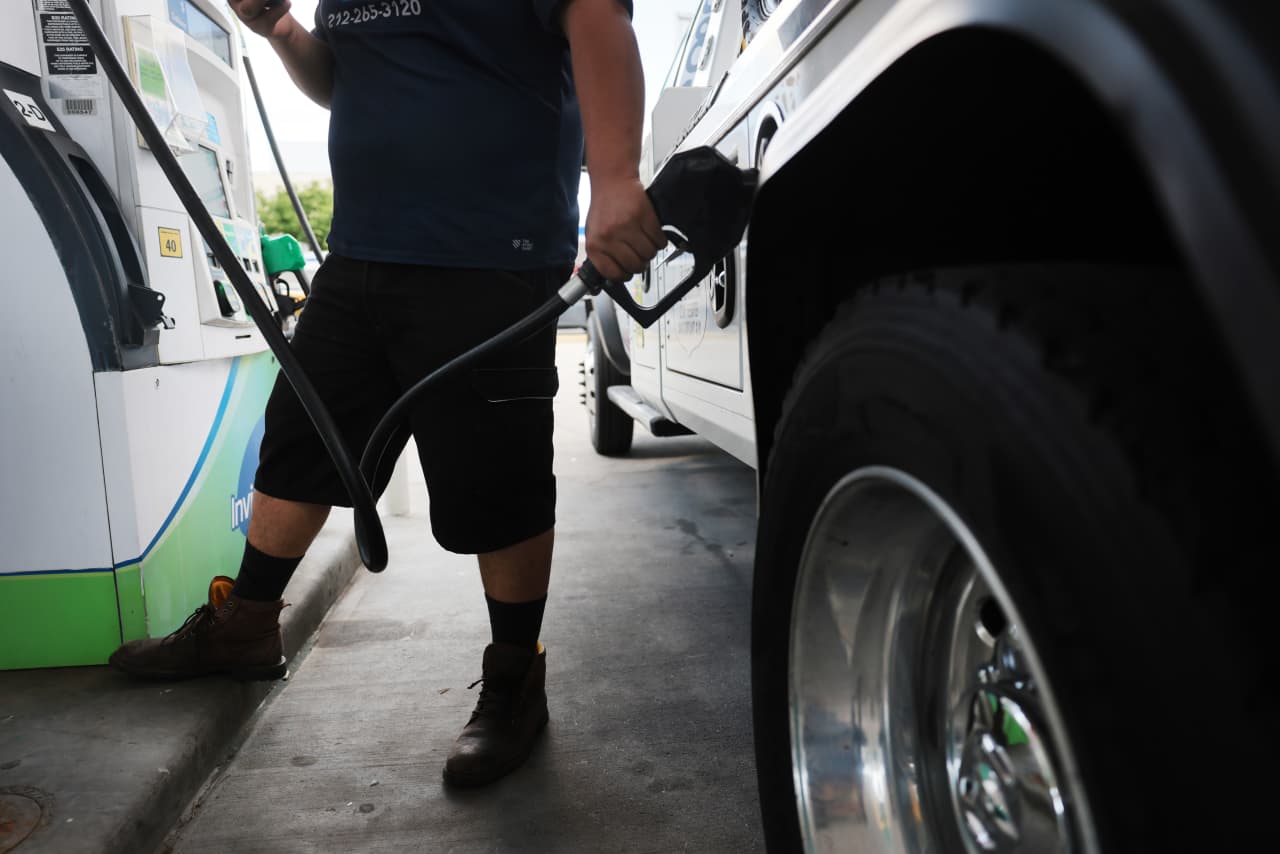
Recent relief at the U.S. gas pump, which contributed to a slowdown in inflation, may be short-lived due to escalating tensions between the United States and Iran. The primary concern centers on the Strait of Hormuz, a critical chokepoint for global oil shipments. Any disruption in this vital waterway could have immediate and significant repercussions on global oil supply and, consequently, on gasoline prices.
Analysts are closely monitoring the geopolitical situation, as a conflict or increased military posturing in the region could lead to a sharp increase in crude oil prices. This, in turn, would translate to higher prices at the pump for American consumers. The U.S. has been engaged in diplomatic and military efforts to ensure freedom of navigation through the Strait, while Iran has previously threatened to close it. The potential for such an action remains a significant risk factor for the global energy market.
The impact of fluctuating oil prices extends beyond individual consumers, affecting broader economic indicators. Lower gas prices have helped to temper inflation, providing a much-needed reprieve for households. A reversal of this trend could reignite inflationary pressures, complicating the Federal Reserve's efforts to manage the economy. The delicate balance of global energy supply and demand is highly susceptible to geopolitical events, making the current situation in the Persian Gulf a key focus for economic stability.
Original source — read the full reporting at the publisher:
Read on MarketWatchGet the weekly AI digest
AI news + new model releases, weekly. Drafted by our agents, reviewed by humans.