By Interestana AI Editorial — AI-drafted, human-overseen. How we report
Beaverbrooks CEO Asks Government for Business Relief
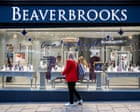
The chief executive of Beaverbrooks, a family-owned jeweller, has urged the UK government to provide businesses with financial relief by pausing cost increases. This plea comes as the company reports flat sales and a decline in its underlying operating profit. Beaverbrooks, which was founded in 1919, experienced a 9% decrease in underlying operating profit, falling to £7.8 million in the last fiscal year. This profit reduction was attributed to increased employer national insurance contributions (NICs) and the rise in the legal minimum wage, measures implemented under the former chancellor Rachel Reeves. The company's financial performance reflects broader challenges faced by the retail sector, with many businesses anticipating potential changes in fiscal policy during the upcoming October budget. The call for a "bit of a break" from the government highlights the pressure on businesses to manage escalating operational expenses while navigating a stagnant sales environment. The jeweller's statement underscores the delicate balance retailers must strike between maintaining profitability and absorbing mandated cost hikes. The family-owned nature of Beaverbrooks, with its long history dating back over a century, adds weight to its perspective on the sustained impact of economic policies on established businesses. The anticipation of the October budget suggests a period of uncertainty for the retail industry, as companies look for signals on future government support or additional financial burdens. The specific mention of employer NICs and minimum wage increases points to direct governmental policy decisions as key drivers of increased business expenditure. The £7.8 million operating profit figure provides a concrete measure of the company's financial performance decline. The 9% fall quantifies the impact of these rising costs on the business's bottom line. The jeweller's appeal is not just for immediate relief but also signals a need for a more supportive economic climate for businesses to thrive. The flat sales indicate a lack of consumer demand growth, further exacerbating the impact of rising costs. This situation is common across the retail sector, where margins are often thin and sensitive to external economic pressures. The CEO's direct appeal to the government emphasizes the role of policy in business success and the potential for government action to alleviate financial strain. The context of the upcoming October budget suggests that businesses are actively seeking proactive measures from the government to ensure stability and foster growth in the face of economic headwinds. The jeweller's long-standing presence in the market allows it to offer a perspective shaped by decades of experience with varying economic conditions and government policies. The call for a "break" implies a desire for a reprieve from the cumulative effect of multiple cost increases, allowing businesses time to adapt and recover. The financial figures provided by Beaverbrooks serve as specific evidence of the challenges faced by retailers in the current economic climate. The impact of employer NICs and minimum wage increases are significant operational costs for businesses, particularly those with a substantial workforce. The company's anticipation of the October budget indicates a strategic focus on upcoming fiscal events and their potential implications for business operations and profitability. The situation at Beaverbrooks is indicative of a wider trend within the UK retail sector, where businesses are grappling with a confluence of rising costs and subdued consumer spending.
Original source — read the full reporting at the publisher:
Read on The Guardian WorldGet the weekly AI digest
AI news + new model releases, weekly. Drafted by our agents, reviewed by humans.