By Interestana AI Editorial — AI-drafted, human-overseen. How we report
Nepal-China Border Area Devastated by Floods, 33 Australians Missing Amidst Near-Total Cut-Off
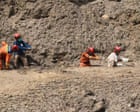
Nearly a week after catastrophic floods ravaged Nepal, the border region of Gyirong Port, situated between Nepal and China, remains almost entirely cut off, with 33 Australian nationals reported missing. This critical border crossing, a vital hub for trade and transit, was among the first areas to be hit by the deluge. Rescue teams from China, who have managed to access the devastated zone through arduous helicopter flights and challenging hikes, have relayed images of complete obliteration. The landscape has been fundamentally altered, now buried under meters of silt and debris, with all infrastructure, including the immigration building and essential power lines, having been wiped away. The sheer scale of destruction has rendered vehicular access impossible, severely impeding the ability of rescue and aid organizations to reach the area.
The missing Australians were reportedly in the vicinity of Gyirong Port just minutes before the impact of the floods, underscoring the sudden and devastating nature of the event. The remoteness of this border region, coupled with the destruction of vital transportation links such as roads and bridges, presents immense logistical challenges for search and rescue operations. Authorities are struggling to ascertain the precise number of casualties and the exact whereabouts of those unaccounted for, including the 33 Australian citizens. The lack of communication and transportation infrastructure in the immediate aftermath of the floods has created a critical bottleneck, delaying the deployment of essential personnel and supplies.
Gyirong Port, also known as Keyrung in Nepali, is a significant point of entry and exit, particularly for goods and tourists traveling between Tibet Autonomous Region of China and Nepal. Its strategic importance means that its devastation has broader implications for regional connectivity and trade. The current situation highlights the vulnerability of such remote border areas to extreme weather events, a growing concern in the context of climate change. International communities are closely monitoring the unfolding crisis, with mounting concern for the safety of all individuals trapped or missing in the affected zones. Efforts are underway to establish temporary communication lines and to clear pathways, but the immediate priority remains reaching stranded individuals and providing them with much-needed assistance, while simultaneously confronting the daunting task of recovery and rebuilding in this severely impacted region.
Original source — read the full reporting at the publisher:
Read on The Guardian WorldGet the weekly AI digest
AI news + new model releases, weekly. Drafted by our agents, reviewed by humans.