By Interestana AI Editorial — AI-drafted, human-overseen. How we report
Bondi Library Removes "How to Sell a Genocide" After Complaint
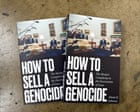
Waverley Library, located in Bondi Junction, Sydney, has removed the book "How to Sell a Genocide" from its shelves following a complaint. The book, authored by Adam Johnson, reportedly drew a complaint from an individual who is a survivor of the Bondi beach terror attack. The library operates within the same council area as Bondi beach, a location that experienced a significant terror incident. The removal has ignited a discussion regarding censorship and the role of libraries in housing potentially controversial or upsetting material. Adam Johnson, the author, has criticized the library's decision, stating that "reality is often upsetting." He suggests that the book's content, while potentially difficult, reflects uncomfortable truths. A Palestinian advocacy group has also weighed in, asserting that libraries should be spaces that accommodate "challenging" books, implying that the removal sets a precedent for suppressing diverse or critical perspectives. The book's title itself, "How to Sell a Genocide," suggests a critical examination of how mass atrocities are framed or justified, a theme that has clearly resonated with and provoked strong reactions from certain segments of the community. The incident highlights the ongoing tension between the desire to protect community members from potentially distressing content and the principle of intellectual freedom, which advocates for access to a wide range of ideas and viewpoints, even those that are controversial. Waverley Council, which oversees the library, has not yet issued a formal statement detailing the specific grounds for the book's removal beyond acknowledging the complaint. The decision by Waverley Library to remove the book raises questions about the criteria used for curating collections and the process by which community feedback leads to the withdrawal of published works. This event is situated within a broader context of debates surrounding freedom of speech, the responsibilities of public institutions like libraries, and the impact of political and social sensitivities on access to information. The presence of the book in a library, particularly one in a community that has experienced trauma, presents a complex scenario where the intent of the author, the interpretation of the reader, and the mandate of the library intersect. The author's defense of his work as reflecting "upsetting" reality suggests a non-fictional or analytical approach, rather than a purely sensational one, further complicating the rationale for its removal. The Palestinian group's statement underscores the argument that libraries serve as vital platforms for engaging with difficult histories and perspectives, and that their removal can be seen as an act of silencing. The specific nature of the complaint, reportedly linked to a survivor of the Bondi beach terror attack, adds a layer of personal impact to the decision, suggesting that the book's title or content may have been perceived as insensitive or re-traumatizing by that individual. The broader implications of this decision for other libraries and for the public's access to literature that tackles sensitive or critical subjects remain to be seen.
Original source — read the full reporting at the publisher:
Read on The Guardian WorldGet the weekly AI digest
AI news + new model releases, weekly. Drafted by our agents, reviewed by humans.