Five Outlandish 20th Century Plans to Remodel Earth's Climate
The concept of geoengineering Earth's environment has a long history, with numerous ambitious and often outlandish plans proposed throughout the 20th century. As the climate crisis intensifies, a growing number of scientists and entrepreneurs are advocating for technological interventions, suggesting that geoengineering may become inevitable. These proposed solutions range from altering atmospheric conditions to physically reshaping the planet.
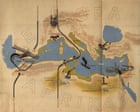
Among the more extreme ideas discussed is the concept of "bombing the Arctic" to melt its ice, a plan that aimed to alter global weather patterns. Another significant proposal involved damming the Mediterranean Sea, a project intended to lower sea levels and create new landmasses. These proposals, while seemingly radical, reflect a persistent human ambition to control and reshape the natural world to better suit our needs.
Other geoengineering concepts being promoted by entrepreneurs and governments include cloud brightening, injecting sulfur into the atmosphere to reflect sunlight, and deploying vast arrays of tiny mirrors in space. These methods are designed to reduce the amount of solar radiation reaching Earth's surface, thereby mitigating global warming. The urgency of the climate crisis is driving renewed interest in such large-scale interventions, despite their inherent risks and ethical considerations.
These historical and contemporary geoengineering proposals highlight a recurring theme in human thought: the desire to exert dominion over the Earth and its climate. While many of these ideas appear absurd in retrospect, they underscore the long-standing human impulse to find technological solutions to environmental challenges, even if those solutions involve fundamentally altering the planet. The discussion around geoengineering is becoming increasingly prominent as the impacts of climate change become more severe.
Original source — read the full reporting at the publisher:
Read on The Guardian Environment