By Interestana AI Editorial — AI-drafted, human-overseen. How we report
FAA Orders Boeing 737 Max Fuselage Crack Inspections
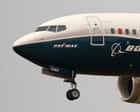
The US Federal Aviation Administration (FAA) has mandated inspections for the fuselages of approximately 471 Boeing 737 Max aircraft, following reports of cracks in a specific component. This airworthiness directive, issued on August 7, 2026, requires operators to check for potential structural integrity issues. The directive specifically targets a component within the fuselage, though further details on the exact nature of the component and the potential crack locations were not immediately disclosed by the FAA. This action by the FAA is a precautionary measure aimed at ensuring the continued safety of the Boeing 737 Max fleet. The decision comes after a history of safety concerns and incidents related to earlier models of the Boeing 737 aircraft, which have led to increased scrutiny from regulatory bodies worldwide. The 737 Max model has undergone significant revisions and recertification processes following two fatal accidents in 2018 and 2019, which were attributed to a faulty flight control system. While those incidents were resolved, ongoing inspections and oversight are critical for maintaining public confidence and operational safety. The FAA's directive will impact airlines globally that operate the 737 Max, requiring them to schedule and conduct these inspections within a specified timeframe. The number of affected aircraft, estimated at 471, represents a significant portion of the active 737 Max fleet. Airlines will need to allocate resources for these inspections, which could potentially lead to temporary grounding of some aircraft if issues are found. The directive emphasizes the FAA's commitment to rigorous oversight of aircraft manufacturing and maintenance. The agency works closely with manufacturers like Boeing and airlines to identify and address potential safety hazards before they can lead to incidents. The outcome of these inspections will be closely monitored by the aviation industry, regulators, and the public. Any findings of cracks or structural defects will necessitate further action from Boeing, including potential design modifications or repair procedures. The FAA will review the inspection results and determine any necessary follow-up actions to ensure the continued airworthiness of the 737 Max aircraft. This latest directive underscores the complex and ongoing nature of aviation safety, which involves continuous monitoring, inspection, and adaptation to new information and potential risks. The Boeing 737 Max is a narrow-body jet airliner manufactured by Boeing Commercial Airplanes, designed as a successor to the Boeing 737 Next Generation and the original Boeing 737 family. It is the fourth generation of the Boeing 737, and is distinguished by its larger, more efficient engines, updated aerodynamics, and cockpit avionics. The aircraft has been a significant product for Boeing, with thousands of orders and deliveries worldwide, serving as a workhorse for many major airlines. The ongoing safety checks are a critical part of ensuring its long-term viability and operational integrity in the global aviation market.
Original source — read the full reporting at the publisher:
Read on The Guardian WorldGet the weekly AI digest
AI news + new model releases, weekly. Drafted by our agents, reviewed by humans.