By Interestana AI Editorial — AI-drafted, human-overseen. How we report
Boat Capsizes on Lake Kariba, 95 Aboard
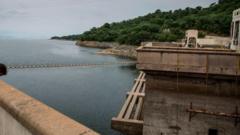
A passenger boat carrying 95 individuals capsized on Lake Kariba in Zimbabwe, a significant maritime incident that has raised concerns about safety on the country's largest man-made lake. The vessel reportedly overturned after encountering powerful waves, a common occurrence on large bodies of water, especially during periods of adverse weather. The exact cause of the capsizing is under investigation, but initial reports point to the force of the waves as the primary factor. Lake Kariba, situated on the border between Zambia and Zimbabwe, is a popular destination for tourism and fishing, and it supports a considerable amount of local transport. The lake is known for its vast expanse and can experience unpredictable weather patterns, including sudden squalls and strong currents. The incident highlights the potential risks associated with water travel, particularly when vessels may be operating at full capacity or when weather conditions deteriorate rapidly. The number of people on board, 95, suggests the vessel was likely a ferry or a larger tour boat, designed to carry a substantial number of passengers. The immediate aftermath of such an event typically involves rescue operations to save any survivors and recover any potential casualties. The response efforts would likely involve local authorities, maritime rescue services, and potentially military or coast guard units if available. The recovery of the vessel itself, if possible, could also provide crucial evidence for the investigation into the cause of the accident. Investigations into maritime disasters often examine factors such as the vessel's seaworthiness, the experience and training of the crew, adherence to safety regulations, and the prevailing weather conditions at the time of the incident. The capacity of the boat and whether it was overloaded could also be a critical line of inquiry. The economic and social impact of such an incident can be substantial, affecting the livelihoods of those who depend on the lake for transport and commerce, as well as the tourism industry. Furthermore, the emotional toll on the families of those involved is immense. Zimbabwe has faced challenges with infrastructure and safety standards in various sectors, and this incident may prompt a review of maritime safety protocols on Lake Kariba and other waterways within the country. The long-term consequences could include stricter regulations for boat operators, enhanced weather monitoring systems, and public awareness campaigns about water safety. The recovery of any survivors and the identification of any victims would be the immediate priority for authorities, followed by a thorough investigation to prevent future occurrences. The scale of the incident, with 95 people on board, underscores the potential for a significant loss of life and the urgent need for a comprehensive response and investigation.
Original source — read the full reporting at the publisher:
Read on BBC World NewsGet the weekly AI digest
AI news + new model releases, weekly. Drafted by our agents, reviewed by humans.