By Interestana AI Editorial — AI-drafted, human-overseen. How we report
BMW Munich Plant to Produce Only EVs Starting 2027
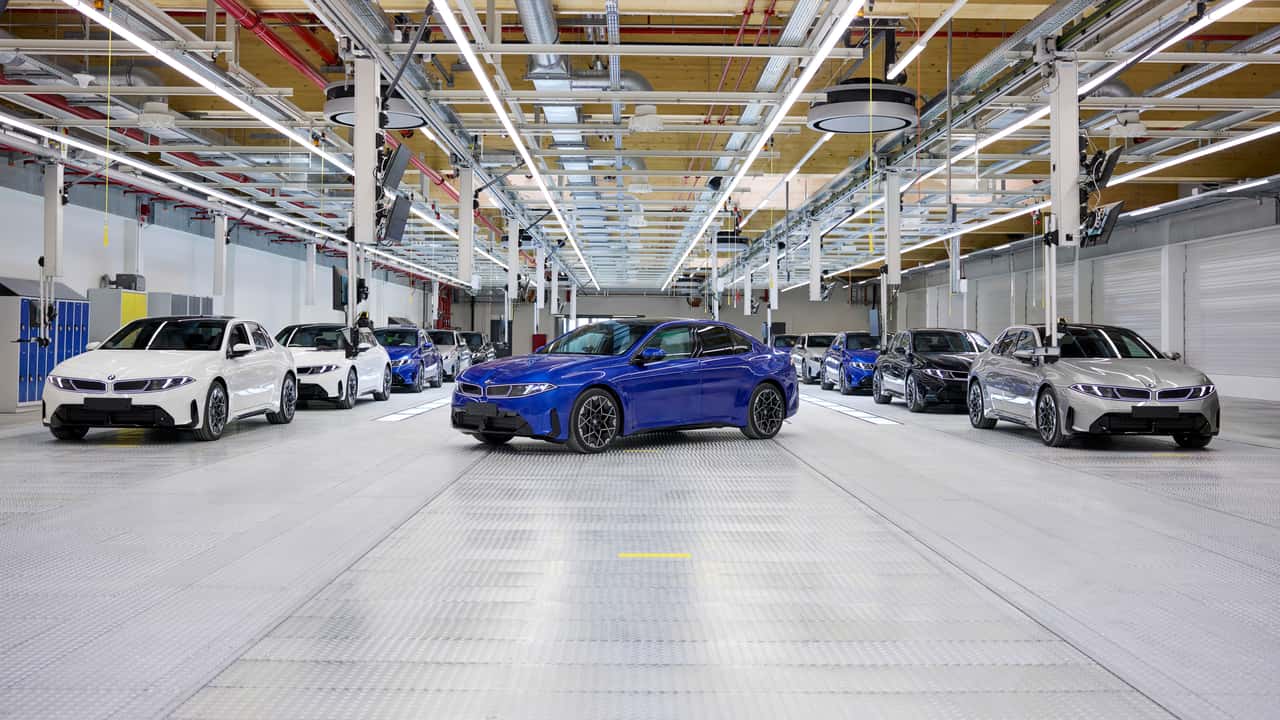
BMW's historic Munich plant, the company's oldest manufacturing facility, is slated to cease production of internal combustion engine (ICE) vehicles and exclusively produce electric vehicles (EVs) starting in 2027. This strategic pivot signifies a major transformation for the plant, which has a long legacy of manufacturing gasoline-powered automobiles. The transition is already underway, with the plant having recently commenced production of the BMW i3, an electric car. This move aligns with BMW's broader commitment to electrification and its ambitious goals for increasing the proportion of electric vehicles in its sales portfolio. The company has previously announced plans to have at least 50% of its global sales be fully electric by 2030. The Munich plant's dedicated focus on EVs will likely involve significant retooling and investment in new production technologies to accommodate the manufacturing requirements of electric powertrains and battery systems. This change is part of a larger industry-wide trend where established automotive manufacturers are accelerating their transition away from fossil fuel-powered vehicles in response to evolving market demands, stricter environmental regulations, and advancements in electric vehicle technology. The Munich plant, established in 1922, has been a cornerstone of BMW's production capabilities for over a century, contributing to the manufacture of numerous iconic models throughout its history. Its transformation into an all-electric production hub underscores the profound and rapid changes occurring within the automotive sector. The specific timeline indicates that by 2027, the plant will no longer be involved in the assembly of any vehicles powered by gasoline or diesel engines. This decision reflects BMW's long-term strategy to lead in sustainable mobility and to ensure its manufacturing infrastructure is aligned with the future of automotive transportation. The company has been investing heavily in its EV lineup and battery production capabilities, and this plant's specialization will be a key component of that strategy. The production of the i3 at this facility is an early indicator of this shift, paving the way for a complete transition. The implications of this change extend beyond production, potentially influencing supply chains, workforce training, and the local economic landscape surrounding the Munich plant.
Original source — read the full reporting at the publisher:
Read on InsideEVsGet the weekly AI digest
AI news + new model releases, weekly. Drafted by our agents, reviewed by humans.