By Interestana AI Editorial — AI-drafted, human-overseen. How we report
BMW Overhauls Navigation System with Tesla-Inspired Integrated Display
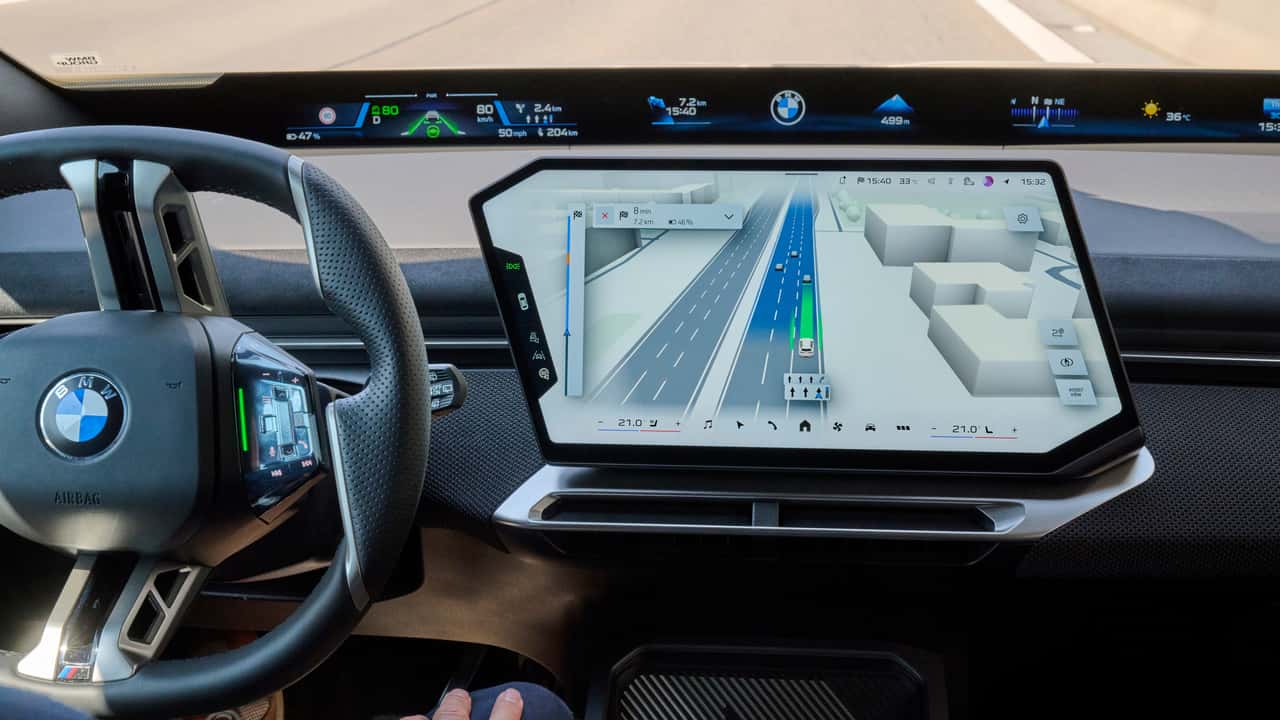
BMW is undertaking a significant modernization of its in-car navigation system, a strategic move designed to create a more cohesive and user-friendly digital cockpit experience. The core of this update involves integrating critical navigation data with information from the vehicle's advanced driver-assistance systems (ADAS) into a single, unified display. This consolidation aims to reduce driver distraction and cognitive load by eliminating the need to toggle between separate screens or menus for essential information. By presenting route guidance and the operational status of ADAS features simultaneously, BMW intends to enhance driver awareness and confidence, particularly in dynamic driving scenarios.
The initial deployment of this revamped system is on the BMW iX3, an all-electric compact SUV. The iX3, launched in 2020, represents BMW's foray into the rapidly growing premium electric vehicle segment, competing with established players and newer entrants. Its selection as the first vehicle to showcase this integrated interface underscores BMW's commitment to advancing its electric vehicle technology and digital user experience. The ADAS features that will be visually integrated include adaptive cruise control, which automatically adjusts speed to maintain a safe distance from the vehicle ahead, and lane keeping assist, which helps keep the vehicle centered within its lane. Traffic sign recognition, which displays detected speed limits and other road signs, will also be part of this consolidated view.
This development by BMW is indicative of a broader industry-wide trend towards more sophisticated and interconnected automotive interfaces. The automotive landscape, especially within the electric vehicle sector, has seen rapid innovation in user interface design. Tesla, a pioneer in the EV market since its founding in 2003, has long been lauded for its minimalist, screen-centric approach that often integrates most vehicle functions, including navigation and driver assistance, into a central touchscreen. This approach has set a high bar for user experience and is frequently cited as a benchmark. BMW's decision to consolidate information into a single view appears to be a direct response to this competitive pressure and evolving consumer expectations. The objective is to create a more seamless, intuitive, and safer driving environment by presenting vital information in a clear, easily digestible format, thereby reinforcing BMW's position in the increasingly tech-driven automotive market.
Original source — read the full reporting at the publisher:
Read on InsideEVsGet the weekly AI digest
AI news + new model releases, weekly. Drafted by our agents, reviewed by humans.