By Interestana AI Editorial — AI-drafted, human-overseen. How we report
Blast to Shut Down Ethereum L2 Network
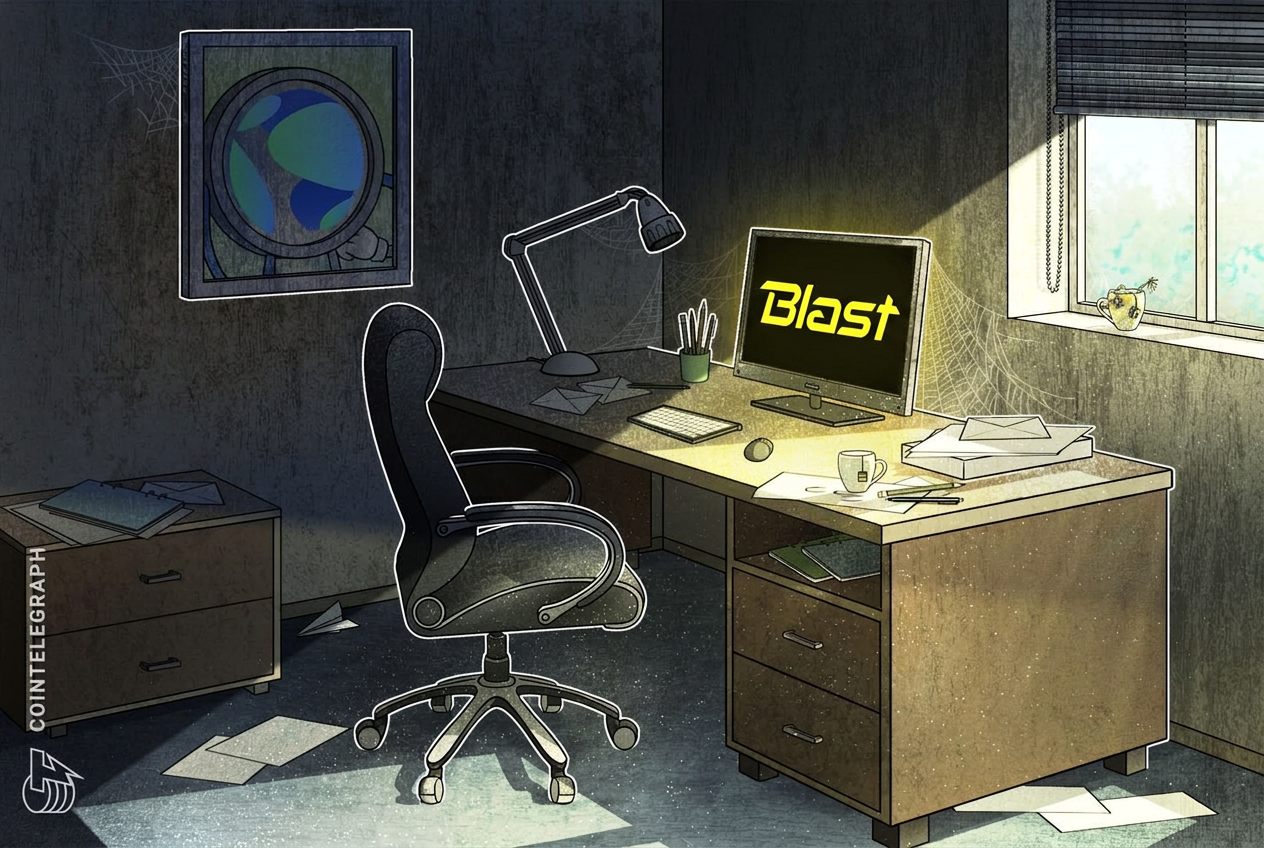
Blast, a layer-2 scaling solution for the Ethereum blockchain, announced its decision to wind down operations on May 20, 2024. The network, which had previously been one of the largest Ethereum layer-2s by total value locked (TVL), is now urging its users to migrate their assets to the Ethereum mainnet. This directive comes as the operational costs associated with maintaining the Blast network have begun to outpace the revenue it generates. The shutdown process is expected to be completed within a specified timeframe, though specific dates for the final cessation of services have not yet been detailed.
Blast launched in late 2023 and quickly gained traction within the Ethereum ecosystem. It distinguished itself by offering native yield on deposited assets, primarily through integrations with protocols like Lido and MakerDAO, and by providing a mechanism for developers to build decentralized applications (dApps) with built-in incentives. The network's architecture was designed to leverage Ethereum's security while offering lower transaction fees and higher throughput, a common goal for layer-2 solutions. At its peak, Blast reported significant TVL, attracting substantial user deposits and developer interest. However, the economic model appears to have become unsustainable, leading to the current decision to cease operations.
The announcement has prompted immediate action from users and developers on the platform. Blast has provided guidance on the process of withdrawing assets, emphasizing the importance of completing these transfers before the network's eventual closure. The team behind Blast has indicated that they will focus on other projects following the shutdown. The specific reasons cited for the economic unsustainability include the rising costs of node operation, transaction processing, and general network maintenance, which have not been sufficiently offset by the network's fee generation or other revenue streams. This situation highlights the ongoing challenges faced by layer-2 networks in balancing scalability, security, and economic viability.
The closure of Blast represents a notable event in the rapidly evolving landscape of Ethereum scaling solutions. While Blast was not the first layer-2 to face challenges, its prominent position by TVL makes its shutdown a significant development. The Ethereum ecosystem continues to explore and deploy various layer-2 technologies, including optimistic rollups and zero-knowledge rollups, each with its own set of economic and technical considerations. The success of these solutions often hinges on their ability to attract and retain users and developers while maintaining a sustainable cost structure. Blast's experience may offer valuable lessons for other projects in the space regarding the long-term economic planning and operational management required for sustained growth and stability in the decentralized finance (DeFi) sector.
Original source — read the full reporting at the publisher:
Read on CoinTelegraphGet the weekly AI digest
AI news + new model releases, weekly. Drafted by our agents, reviewed by humans.