By Interestana AI Editorial — AI-drafted, human-overseen. How we report
Bitcoin Surges 23 Percent Amidst Concerns Over Government Monetary Policy
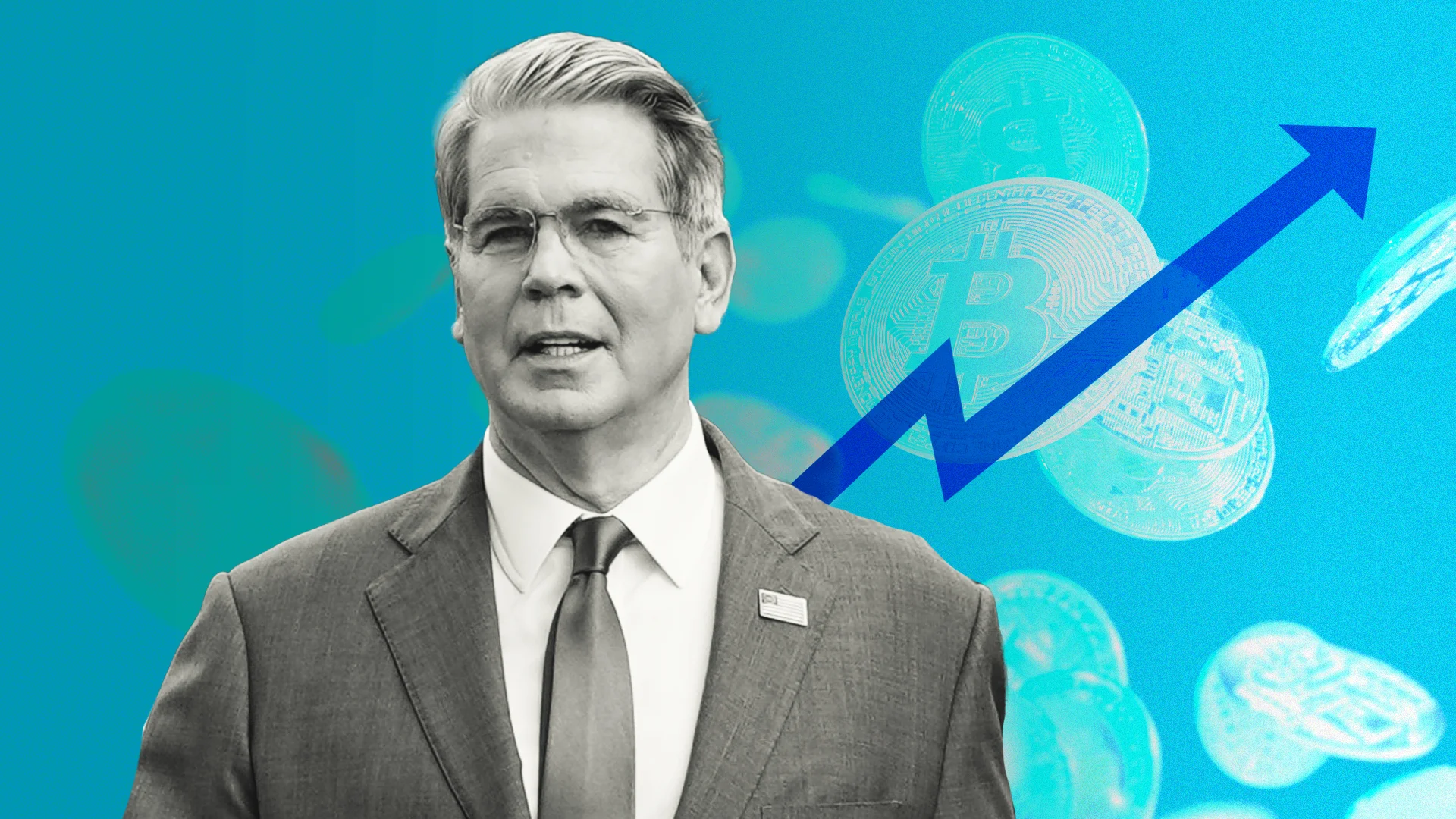
Bitcoin's value experienced a notable surge of 23%, a movement that analysts and market participants are interpreting not merely as a typical cryptocurrency rally, but as a deliberate financial statement against prevailing government monetary policies. This price appreciation is seen by some as a direct response to concerns about currency debasement, a situation where the purchasing power of a fiat currency diminishes over time due to inflation or an increase in its supply. The "debasement trade," as described by Scott Bessent, refers to investment strategies that aim to profit from or hedge against the erosion of currency value. Bessent, a figure associated with reviving this particular trade, suggests that the recent Bitcoin rally is indicative of investors seeking alternative stores of value outside of traditional government-backed currencies.
This perspective posits that as central banks worldwide have engaged in quantitative easing and other expansionary monetary policies, particularly in response to economic shocks like the COVID-19 pandemic, the supply of fiat currencies has increased significantly. This expansion, in theory, can lead to inflation and a reduction in the real value of money held by individuals and institutions. Bitcoin, with its capped supply of 21 million coins, is often presented as a digital alternative that is resistant to such inflationary pressures. Its decentralized nature and lack of direct control by any single government or central bank further contribute to its appeal as a hedge against perceived mismanagement of fiat currencies. The 23% increase, therefore, can be viewed as a tangible expression of this sentiment, with a growing number of investors allocating capital to Bitcoin as a perceived safe haven or a store of value in an environment of increasing monetary uncertainty.
The narrative surrounding Bitcoin's recent performance highlights a broader debate about the future of money and the role of government in managing economic stability. While traditional financial markets often react to economic data, interest rate changes, and geopolitical events, this surge in Bitcoin's price suggests a more fundamental concern about the long-term viability and stability of fiat currencies themselves. Investors are reportedly looking beyond short-term market fluctuations and considering the structural implications of current monetary policies. The "debasement trade" strategy, when applied to Bitcoin, involves anticipating that the value of fiat currencies will continue to decline relative to assets with a fixed or limited supply. This makes Bitcoin an attractive proposition for those seeking to preserve wealth or achieve capital appreciation in a potentially inflationary environment. The 23% gain serves as a strong indicator that this sentiment is gaining traction within the investment community, influencing capital flows and market dynamics. The underlying principle is that as the supply of money increases, the value of each unit decreases, making assets like Bitcoin, with their predetermined scarcity, more appealing.
Original source — read the full reporting at the publisher:
Read on Inc.Get the weekly AI digest
AI news + new model releases, weekly. Drafted by our agents, reviewed by humans.