By Interestana AI Editorial — AI-drafted, human-overseen. How we report
Bitcoiners Use Dice for Self-Custody Security
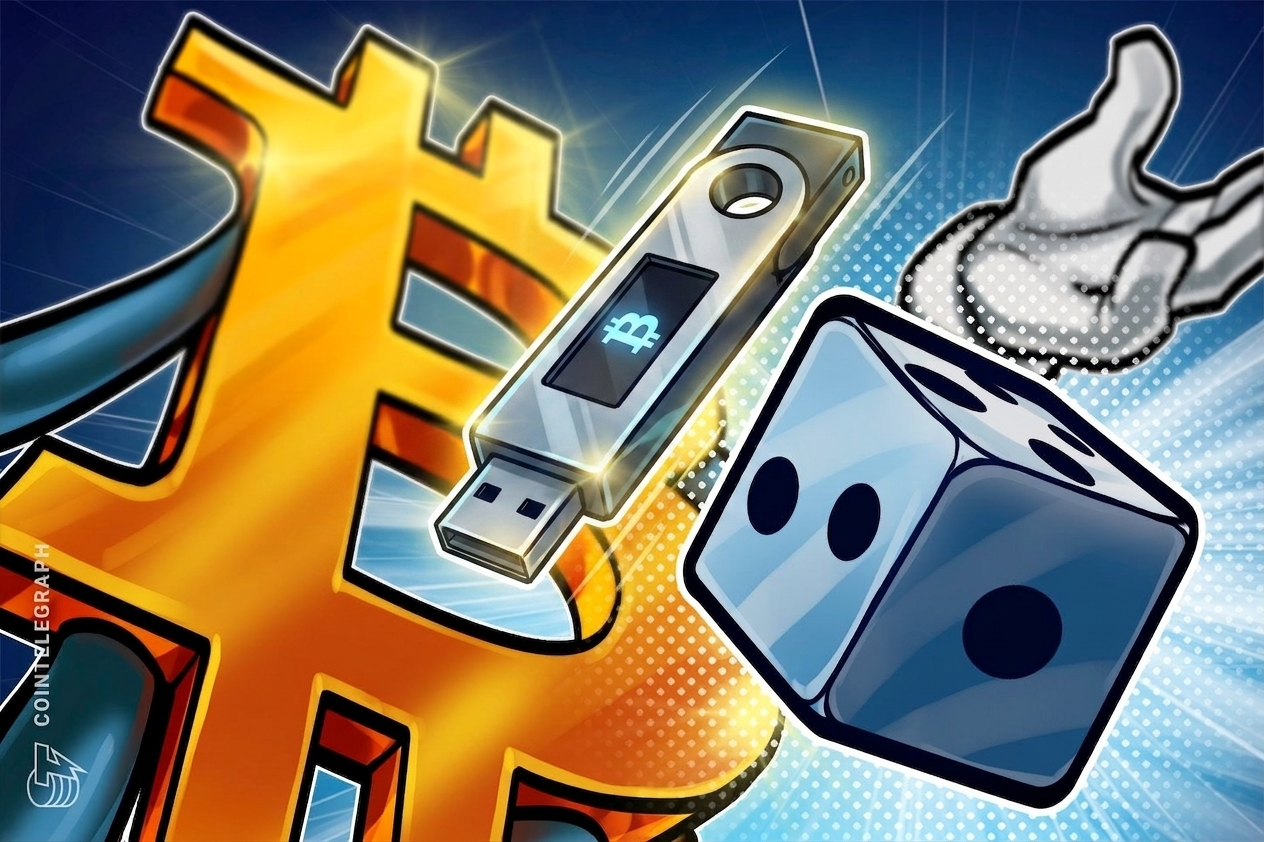
Bitcoin users are increasingly turning to physical dice rolls as a method for generating secure private keys, a practice being re-evaluated in the wake of a recent security incident involving a hardware wallet. This shift reflects a growing concern among Bitcoin proponents regarding the security of digital self-custody solutions and a renewed interest in "entropy" – the randomness or unpredictability of a key generation process. The concept of using dice for generating cryptographic keys is not new; it's a method rooted in the principles of randomness, where each roll contributes to the unpredictability of the final private key. This approach aims to create keys that are theoretically impossible to guess or derive through computational means, bypassing the potential vulnerabilities of software-based random number generators or even hardware-based ones that could be compromised.
The recent incident that has spurred this re-evaluation involved a security vulnerability discovered in the Coldcard Mk4 hardware wallet. While specific details of the hack were not immediately available, reports indicated that it potentially exposed users' private keys, undermining the core promise of hardware wallets: to keep private keys offline and secure. Coldcard is a well-regarded brand in the Bitcoin community, known for its focus on security and air-gapped operation, making this incident particularly concerning. The vulnerability, if exploited, could lead to the theft of Bitcoin held in affected wallets. This event has prompted a broader discussion within the Bitcoin community about the inherent risks associated with any digital system and the potential benefits of reverting to more analog, physically verifiable methods for securing digital assets.
Proponents of the dice method, often referred to as "dice entropy," argue that it offers a high degree of security as long as the dice themselves are fair and the rolling process is conducted without external influence or observation. The process typically involves rolling multiple dice (often six-sided dice, or d6) a specific number of times to generate a sequence of numbers. This sequence is then converted into a binary format, which ultimately forms the private key. The randomness of the dice rolls is crucial; any bias in the dice or manipulation during the rolling process would compromise the security of the generated key. Community members are sharing guides and best practices for using dice, emphasizing the importance of using multiple dice, ensuring they are not weighted, and performing the rolls in a secure, private environment to prevent observation or interference.
This trend highlights a fundamental tension within the cryptocurrency space: the desire for convenience and advanced digital security versus the pursuit of absolute, verifiable security through simpler, more tangible means. As the Bitcoin ecosystem matures, users are continually seeking robust methods to protect their assets, and the re-emergence of physical entropy generation methods like dice rolls underscores the ongoing quest for ultimate self-custody. The Coldcard incident serves as a stark reminder that even specialized hardware can have vulnerabilities, pushing some users to explore alternative, albeit more labor-intensive, security strategies. The community's embrace of dice entropy suggests a willingness to adopt less conventional, but potentially more secure, methods for safeguarding their digital wealth.
Original source — read the full reporting at the publisher:
Read on CoinTelegraphGet the weekly AI digest
AI news + new model releases, weekly. Drafted by our agents, reviewed by humans.