By Interestana AI Editorial — AI-drafted, human-overseen. How we report
Bitcoin Surges Past $86,000 Before U.S. Jobs Report
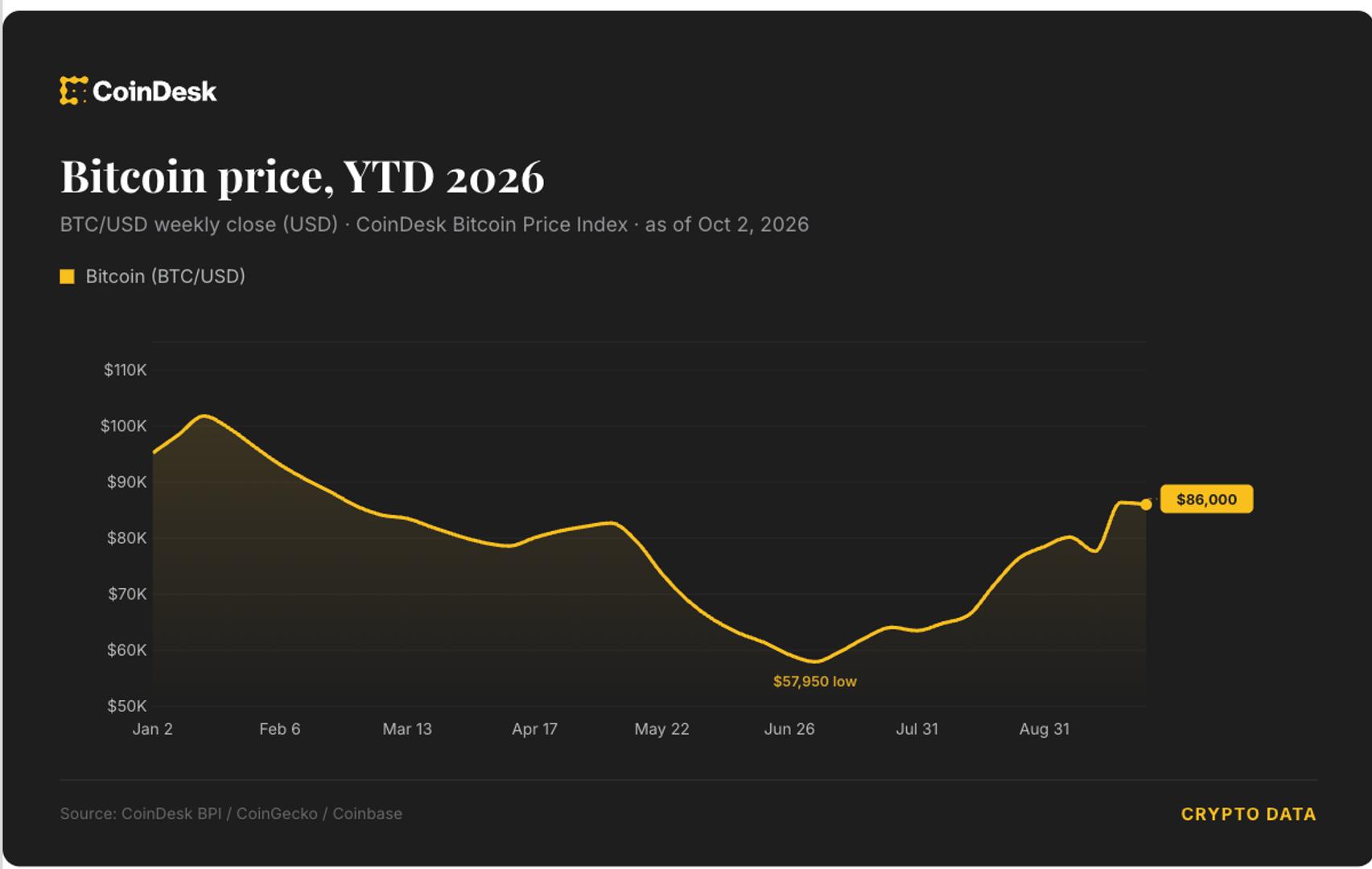
Bitcoin's price experienced a notable surge, climbing approximately 3% in October to surpass the $86,000 mark. This upward movement occurred as traders and investors awaited the release of the September U.S. jobs report. The anticipation surrounding this key economic indicator often influences market sentiment and asset valuations across various sectors, including cryptocurrencies. While Bitcoin saw gains, broader financial markets faced headwinds from rising bond yields and a stronger U.S. dollar. These macroeconomic factors typically exert downward pressure on riskier assets, making Bitcoin's ascent particularly noteworthy. The jobs report, officially known as the Employment Situation Summary, is a critical monthly release from the U.S. Bureau of Labor Statistics. It provides a comprehensive overview of the labor market, including figures for nonfarm payroll employment, the unemployment rate, and average hourly earnings. Stronger-than-expected job growth can signal a robust economy, potentially leading the Federal Reserve to maintain or increase interest rates to combat inflation. Conversely, weaker job numbers might suggest an economic slowdown, prompting speculation about potential interest rate cuts. For Bitcoin, the implications of the jobs report are multifaceted. A strong report could be interpreted as a sign of economic resilience, which might indirectly support Bitcoin as a store of value or a hedge against inflation. However, it could also lead to higher interest rates, making less risky investments like bonds more attractive and potentially drawing capital away from speculative assets like Bitcoin. Conversely, a weak jobs report might increase the likelihood of interest rate cuts, which could boost demand for risk assets, including Bitcoin, by lowering the cost of borrowing and increasing liquidity in the financial system. The cryptocurrency market, and Bitcoin in particular, has shown increasing sensitivity to traditional macroeconomic indicators and monetary policy decisions. This suggests a growing integration of digital assets into the broader financial landscape. The price of Bitcoin has been a subject of intense scrutiny throughout the year, influenced by a confluence of factors including institutional adoption, regulatory developments, and global economic conditions. The $86,000 level represents a significant psychological and technical threshold for the cryptocurrency. Traders closely monitor such price points for potential shifts in momentum and market sentiment. The performance of Bitcoin in October, despite the prevailing headwinds of rising bond yields and a stronger dollar, highlights its independent price drivers and the complex interplay of factors affecting its valuation. The upcoming U.S. jobs report is expected to provide further clarity on the economic trajectory, which will likely continue to shape Bitcoin's price action in the short to medium term. The market's reaction to the report will be closely watched by analysts and investors alike, as it could signal a turning point or reinforce existing trends in the cryptocurrency space.
Original source — read the full reporting at the publisher:
Read on CoinDeskGet the weekly AI digest
AI news + new model releases, weekly. Drafted by our agents, reviewed by humans.