By Interestana AI Editorial — AI-drafted, human-overseen. How we report
Bitcoin Volatility Hits Multi-Year Lows Amid Yield Surge
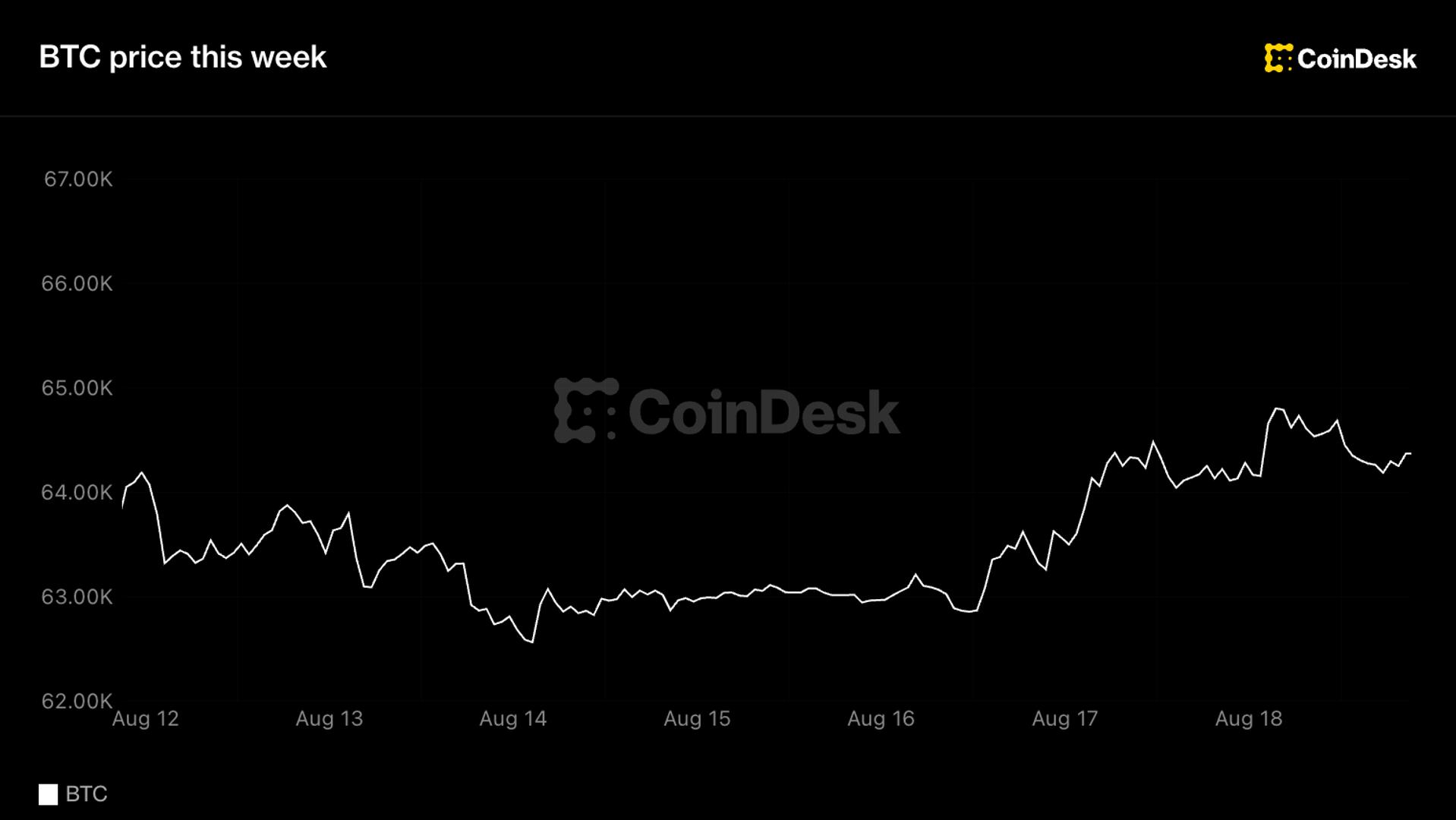
Bitcoin (BTC) has entered a prolonged period of low volatility, trading within a tight six-week range as global bond yields ascend to their highest levels in decades. This stagnation in Bitcoin's price action is occurring against a backdrop of significant macroeconomic shifts, particularly the surge in Treasury yields, which are impacting equity markets and creating uncertainty for investors across asset classes. The current price range for Bitcoin has persisted for approximately six weeks, indicating a lack of strong directional momentum. This extended period of stability is unusual for Bitcoin, an asset often characterized by its high price swings.
The primary driver behind this market dynamic appears to be the rising global bond yields. For instance, U.S. Treasury yields have reached levels not seen in decades, reflecting increased inflation expectations and the prospect of sustained higher interest rates from central banks. This environment makes fixed-income investments more attractive relative to riskier assets like cryptocurrencies and equities. The increased attractiveness of bonds draws capital away from other markets, contributing to the subdued trading activity in Bitcoin. Traders are closely monitoring these yield movements as they signal potential shifts in monetary policy and risk appetite.
Market participants are now keenly awaiting the release of the U.S. Federal Reserve's July meeting minutes. This document is expected to provide further insights into the Fed's deliberations on interest rates, inflation outlook, and future monetary policy decisions. Any indications of a hawkish stance, suggesting continued or prolonged interest rate hikes, could further pressure risk assets and potentially break Bitcoin out of its current range, albeit likely to the downside. Conversely, signals of a more dovish approach or a pause in rate hikes might offer some relief to cryptocurrencies. The anticipation of these minutes is contributing to the current cautious sentiment and the low volatility observed in Bitcoin trading.
The drop in Bitcoin's volatility to multi-year lows suggests that traders are adopting a more conservative approach, possibly waiting for clearer economic signals or a more defined trend before committing to significant positions. This period of consolidation could precede a substantial price movement, but the direction remains uncertain, heavily dependent on the evolving macroeconomic landscape and central bank policies. The confluence of high bond yields and anticipated central bank actions has created a challenging environment for speculative assets, leading to the current extended period of Bitcoin price stability.
Original source — read the full reporting at the publisher:
Read on CoinDeskGet the weekly AI digest
AI news + new model releases, weekly. Drafted by our agents, reviewed by humans.