By Interestana AI Editorial — AI-drafted, human-overseen. How we report
Bitcoin Drops Below $83K Amid AI Wallet Security Debate
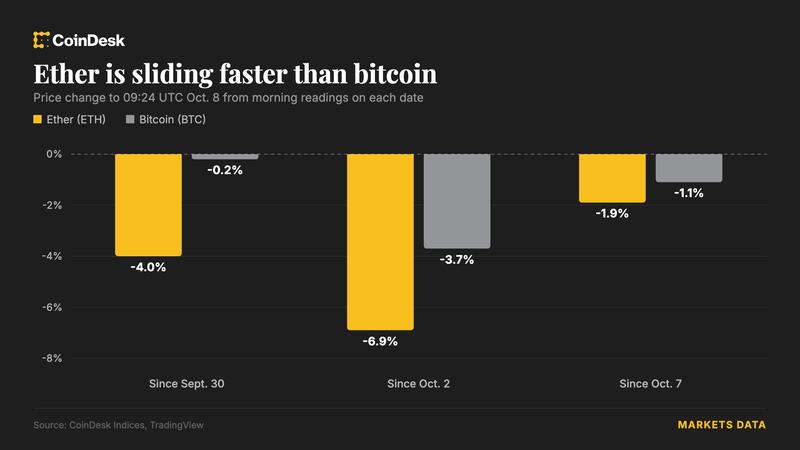
Bitcoin experienced a price decline, falling below the $83,000 mark, amidst a growing discussion within the cryptocurrency community regarding potential future threats to digital asset security. This price movement coincided with a provocative statement made by Justin Drake, a researcher associated with Ethereum, who urged the community to prepare for a scenario where artificial intelligence could potentially compromise wallet cryptography. Drake's assertion, which he termed 'bunker mode,' suggested that advanced AI capabilities might one day be able to break the encryption protecting cryptocurrency wallets, leading to widespread theft of digital assets. His call to action, disseminated through social media and developer forums, aimed to raise awareness and encourage proactive development of more robust security measures before such a threat materializes. However, Drake's warning did not receive universal endorsement, instead dividing opinion among prominent figures and developers in the blockchain and cryptocurrency space. Some experts dismissed his concerns as alarmist, pointing to the current limitations of AI and the ongoing advancements in cryptographic techniques designed to withstand future computational challenges, including those posed by quantum computing. Others, while acknowledging the long-term potential of AI, argued that the immediate focus should remain on addressing existing vulnerabilities and improving user education on security best practices. The debate highlights a broader tension within the crypto industry: the balance between preparing for hypothetical, future threats and addressing present-day risks. The price drop in Bitcoin, though not directly attributed by all analysts to Drake's statement, underscores the market's sensitivity to perceived security risks and technological uncertainties. Bitcoin, as the largest cryptocurrency by market capitalization, often serves as a bellwether for the broader digital asset market. Its price fluctuations can be influenced by a wide array of factors, including macroeconomic trends, regulatory developments, technological innovations, and investor sentiment. The current discussion around AI's potential impact on cryptography adds another layer of complexity to these market dynamics. The development of AI has been accelerating rapidly, with significant advancements in areas such as machine learning, natural language processing, and pattern recognition. These advancements have led to speculation about their potential applications and implications across various industries, including finance and cybersecurity. The core of Drake's concern appears to be the possibility that future AI systems, particularly those with enhanced computational power and sophisticated algorithms, could be used to perform brute-force attacks or exploit subtle weaknesses in existing cryptographic protocols that secure cryptocurrency transactions and holdings. This hypothetical scenario raises questions about the long-term viability of current blockchain security models and the need for continuous innovation in cryptographic research and implementation. The cryptocurrency ecosystem relies heavily on cryptographic principles to ensure the integrity, security, and decentralization of its networks. The consensus mechanisms, transaction signing, and wallet management all depend on robust encryption. Therefore, any perceived threat to these foundational elements can have significant repercussions for investor confidence and market stability. The differing perspectives within the crypto community on Drake's 'bunker mode' call reflect the inherent uncertainties surrounding the future trajectory of AI and its interaction with cybersecurity. While some advocate for immediate, drastic measures, others prefer a more measured approach, emphasizing the ongoing evolution of security technologies and the speculative nature of such extreme AI capabilities. The conversation is likely to continue as AI technology progresses, prompting further scrutiny of the security architectures underpinning digital assets.
Original source — read the full reporting at the publisher:
Read on CoinDeskGet the weekly AI digest
AI news + new model releases, weekly. Drafted by our agents, reviewed by humans.