By Interestana AI Editorial — AI-drafted, human-overseen. How we report
Bitcoin Drops Below $76,500 Amid Rising Oil Prices
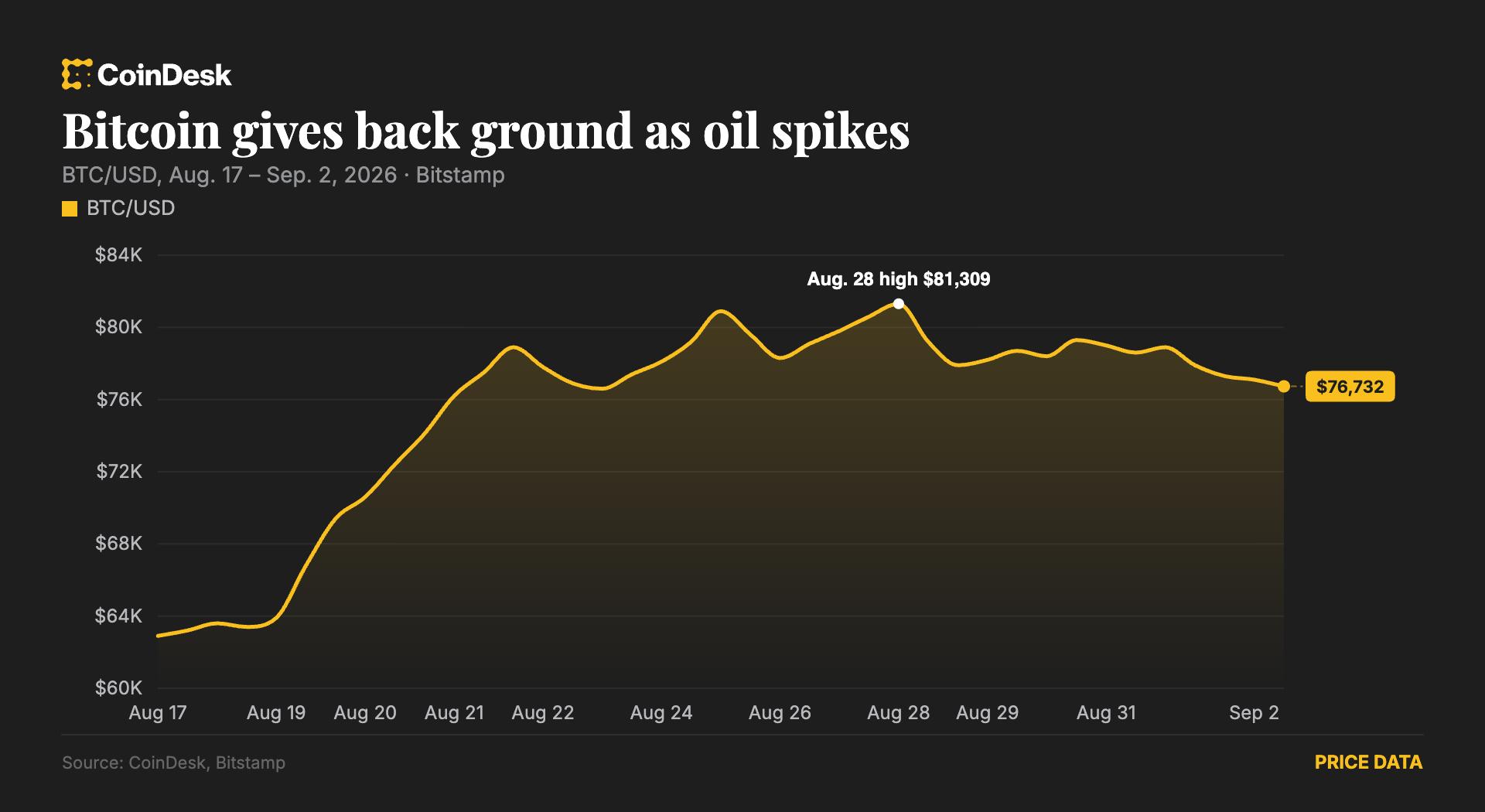
Bitcoin experienced a price decrease of 1% from midnight, falling below the $76,500 mark. This decline coincided with a significant surge in oil prices, as Brent crude oil climbed past $93 per barrel. The upward pressure on oil prices is attributed to geopolitical tensions stemming from U.S. strikes on Iran. Concurrently, U.S. Treasury yields have been observed to be climbing, approaching the 4.8% threshold. This confluence of events suggests a market reaction to escalating Middle Eastern conflict and its potential impact on global energy supplies and broader economic indicators. The cryptocurrency market, often sensitive to macroeconomic shifts and risk sentiment, appears to be reflecting these global developments. Bitcoin, as the leading digital asset, is frequently monitored for its correlation with traditional markets, including commodities like oil and interest rate movements. The rise in oil prices can signal inflationary pressures and increased geopolitical risk, factors that can lead investors to re-evaluate their asset allocations. Higher Treasury yields typically indicate a strengthening economy or increased demand for government debt, which can sometimes draw capital away from riskier assets like cryptocurrencies. The specific percentage drop in Bitcoin, 1%, indicates a moderate but noticeable reaction to the unfolding events. The threshold of $76,500 represents a key price level that, when breached, can trigger further technical selling or buying interest depending on market sentiment. Similarly, Brent crude oil exceeding $93 per barrel marks a significant point, reflecting concerns about supply disruptions in a major oil-producing region. The U.S. strikes on Iran are a direct catalyst for this price movement, highlighting the interconnectedness of geopolitical stability and financial markets. The climb in Treasury yields toward 4.8% suggests a tightening monetary environment or increased investor confidence in U.S. debt, which can influence the attractiveness of alternative investments. The interplay between these factors—geopolitical risk, commodity prices, and interest rates—creates a complex environment for digital assets. Analysts will be closely watching to see if Bitcoin can stabilize or if this downward trend will continue as the geopolitical situation evolves and its broader economic implications become clearer. The market's reaction underscores the ongoing integration of cryptocurrencies into the global financial landscape, where they are increasingly influenced by traditional economic and political forces.
Original source — read the full reporting at the publisher:
Read on CoinDeskGet the weekly AI digest
AI news + new model releases, weekly. Drafted by our agents, reviewed by humans.