By Interestana AI Editorial — AI-drafted, human-overseen. How we report
Bitcoin, Nasdaq Futures Drop on Iran Strike Uncertainty
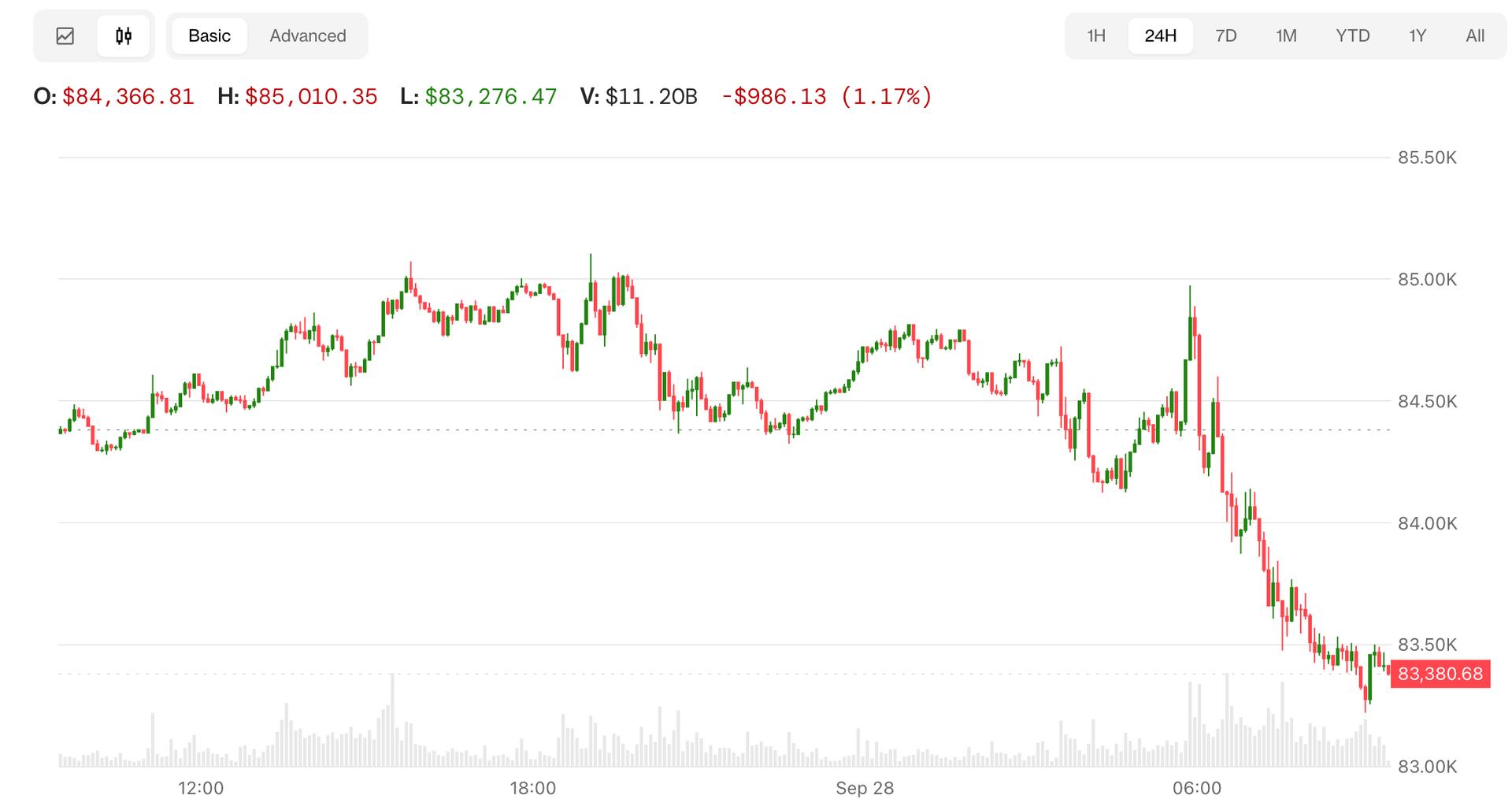
Bitcoin and Nasdaq futures saw a downturn on Sunday as President Donald Trump stated he would not rule out additional strikes on Iran before the upcoming midterm elections. This uncertainty surrounding potential further military action in the Middle East has introduced volatility into financial markets, affecting both digital assets and traditional equity futures. Trump's remarks, made on Sunday, suggested that while the conflict could potentially conclude soon, further military engagements remained a possibility. The implications of such geopolitical instability often translate into risk-off sentiment among investors, leading to a decrease in demand for speculative assets like Bitcoin and a cautious approach to equity markets. Nasdaq futures, which track the performance of the Nasdaq Composite Index, are sensitive to broader economic and geopolitical events, and any perceived escalation of international tensions can trigger sell-offs. Similarly, Bitcoin, as a leading cryptocurrency, is often viewed as a risk-on asset, meaning its price can be negatively impacted by global uncertainty and a general move away from higher-risk investments. The market's reaction underscores the interconnectedness of geopolitical developments and financial asset performance. Investors closely monitor statements from world leaders, particularly concerning major international conflicts, as these can significantly influence market direction. The absence of a clear de-escalation or a definitive end to the conflict contributes to ongoing market apprehension. The specific timing of Trump's comments, ahead of the midterm elections, also adds a layer of political consideration to the market's response. The potential for further military action, even if framed as a possibility rather than a certainty, creates a climate of caution. This caution can lead to a reduction in trading volumes and a preference for safer investment havens, away from assets perceived as more volatile. The decline in both Bitcoin and Nasdaq futures reflects this broader market sentiment, where geopolitical risks are being priced into asset valuations. The situation highlights the ongoing challenge for investors in navigating complex global events and their direct impact on financial markets. The market's sensitivity to such pronouncements indicates a fragile investor confidence that can be easily disrupted by news of potential conflict escalation. The lack of a definitive resolution or a clear path to de-escalation means that this uncertainty could persist, continuing to weigh on market performance in the short to medium term. The interplay between political statements, geopolitical events, and financial market reactions is a critical factor for traders and investors to consider in the current environment.
Original source — read the full reporting at the publisher:
Read on CoinDeskGet the weekly AI digest
AI news + new model releases, weekly. Drafted by our agents, reviewed by humans.