By Interestana AI Editorial — AI-drafted, human-overseen. How we report
Kalshi Crypto Perpetual Volumes Dominated by Repetitive Trades
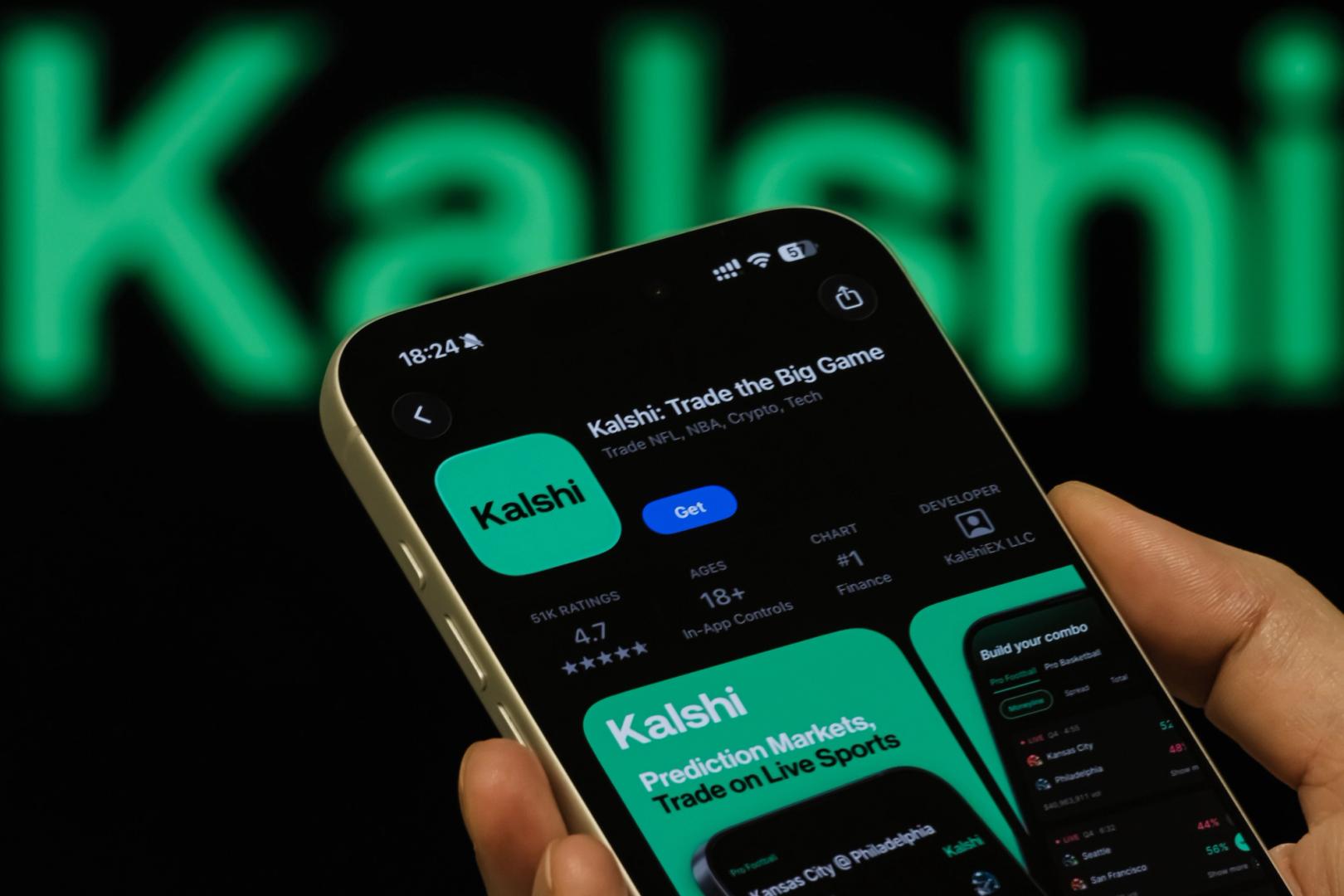
Data analyzed by CoinDesk indicates that trading volumes for perpetual futures contracts on the Kalshi exchange, specifically for Bitcoin (BTC) and Ether (ETH), are heavily influenced by a limited number of repetitive trade sizes. This pattern suggests an unusual market dynamic, potentially driven by a small number of participants or specific trading strategies. For Ether perpetuals, a single trade size of $5,499 was found to constitute 57% of the sampled trading volume. This concentration on one specific monetary value for executed trades is a notable deviation from typical market behavior, where a broader distribution of trade sizes is usually observed.
In the case of Bitcoin perpetuals, the data revealed a similar, though slightly more diversified, pattern of repetition. Two specific trade sizes, $2,500 and $5,000, collectively accounted for 54% of the sampled Bitcoin perpetual volume. This indicates that a significant portion of the trading activity for Bitcoin futures on Kalshi is also concentrated within a narrow range of trade values. The dominance of these specific, recurring trade sizes across both major cryptocurrencies on the platform raises questions about the underlying market structure and participant behavior.
Kalshi is a regulated exchange that allows users to trade futures contracts on a wide range of events, including political outcomes, economic indicators, and, more recently, cryptocurrency prices. The platform's ability to offer futures on digital assets like Bitcoin and Ether positions it as a venue for speculative trading and hedging strategies within the crypto market. The observed concentration of trading volume in specific, repetitive sizes on Kalshi's crypto perpetuals market is a phenomenon that warrants further investigation by market analysts and participants. It could point towards automated trading strategies, specific hedging requirements, or even potential market manipulation tactics, although the data presented by CoinDesk does not definitively conclude on the cause.
The implications of such concentrated trading patterns can be significant. They can affect price discovery, liquidity, and the overall stability of the perpetual futures market for these cryptocurrencies on Kalshi. A market dominated by a few large, repetitive trades might be more susceptible to volatility if those specific trades are initiated or unwound. Understanding the nature of these trades—whether they are executed by a single entity, a group of correlated traders, or through algorithmic means—is crucial for assessing the health and integrity of this segment of the crypto derivatives market. CoinDesk's analysis highlights a unique characteristic of Kalshi's crypto perpetuals trading that distinguishes it from broader cryptocurrency derivatives markets.
Original source — read the full reporting at the publisher:
Read on CoinDeskGet the weekly AI digest
AI news + new model releases, weekly. Drafted by our agents, reviewed by humans.