By Interestana AI Editorial — AI-drafted, human-overseen. How we report
Blue Cranes Face Decline Due to Habitat and Food Loss
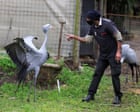
The blue crane (Anthropoides paradisea), celebrated as South Africa's national bird, is experiencing a concerning decline in its numbers, primarily attributed to the loss of its food supply and natural habitat. This species, renowned for its elegant appearance with a slender body, curved neck, long legs, elongated tail plumes, and subtle dove-grey plumage, is considered the avian equivalent of a catwalk model. However, this striking beauty belies a precarious conservation status.
The blue crane possesses the smallest global range of all 15 crane species worldwide. With the exception of a small, isolated population found in Namibia, the vast majority of blue cranes are endemic to South Africa. This limited geographical distribution makes the species particularly vulnerable to localized threats. The primary drivers of their declining numbers are the reduction in available food sources and the degradation or outright loss of their preferred habitats. These factors combine to create a challenging environment for the species' survival and reproduction.
Observations of blue cranes feeding near human-inhabited areas, such as alongside busy roads and in proximity to livestock like cows, highlight the encroachment of human activities into their natural territories. This proximity suggests that their traditional feeding grounds and living spaces are diminishing, forcing them to adapt to less ideal conditions. The loss of habitat can stem from various sources, including agricultural expansion, urbanization, and infrastructure development, all of which reduce the availability of the specific grasses, seeds, roots, and insects that constitute the blue crane's diet. The scarcity of these food resources directly impacts their ability to sustain themselves and raise young, further exacerbating population declines.
The conservation status of the blue crane is a critical issue for South Africa, where it is not only the national bird but also a symbol of the country's natural heritage. The ongoing threats to its population underscore the urgent need for targeted conservation efforts. These efforts would likely involve habitat protection and restoration initiatives, as well as measures to ensure a stable and sufficient food supply. Understanding the specific ecological requirements of the blue crane and the precise nature of the threats it faces is crucial for developing effective strategies to reverse its declining trajectory and ensure the long-term survival of this magnificent avian species.
Original source — read the full reporting at the publisher:
Read on The Guardian EnvironmentGet the weekly AI digest
AI news + new model releases, weekly. Drafted by our agents, reviewed by humans.