By Interestana AI Editorial — AI-drafted, human-overseen. How we report
BioOrbit CEO Discusses Zero-G Cancer Treatment Development
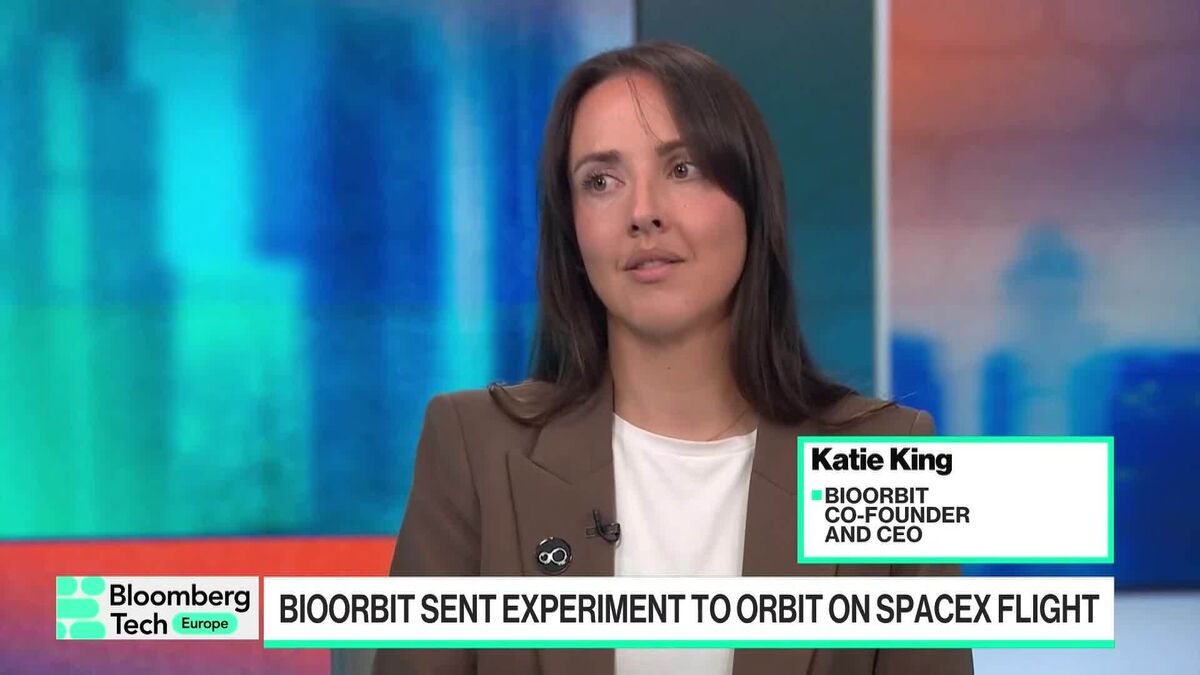
Katie King, cofounder and CEO of BioOrbit, discussed the company's recent achievement in producing protein crystals in a zero-gravity environment. BioOrbit successfully launched a mission to the International Space Station (ISS), marking a significant milestone in the large-scale production of protein crystals under microgravity conditions. The company reported achieving production levels that are one to two orders of magnitude greater than previous efforts.
Speaking with Bloomberg's Tom Mackenzie, King elaborated on the implications of this advancement for developing cancer treatments. The unique conditions of space, specifically microgravity, allow for the formation of purer and more well-defined protein crystals. These highly ordered crystals are crucial for X-ray crystallography, a technique used to determine the three-dimensional structure of proteins. Understanding a protein's structure is a fundamental step in designing targeted drugs that can effectively interact with and inhibit disease-causing proteins, such as those involved in cancer.
BioOrbit's work aims to leverage these space-grown crystals to accelerate the drug discovery process. By obtaining high-resolution structural data, researchers can more efficiently identify potential therapeutic targets and develop novel drug candidates. The increased scale of production achieved on the ISS mission suggests that BioOrbit is moving closer to making this technology a viable part of the pharmaceutical development pipeline. This could potentially lead to faster and more effective cancer therapies.
The company's focus on space-based research for biomedical applications highlights a growing trend in the commercialization of space exploration. BioOrbit's success demonstrates the practical benefits that microgravity environments can offer for scientific research and technological development, particularly in fields like medicine and materials science. The ability to produce these critical research materials at an unprecedented scale in space opens new avenues for innovation in the fight against diseases like cancer.
Original source — read the full reporting at the publisher:
Read on Bloomberg MarketsGet the weekly AI digest
AI news + new model releases, weekly. Drafted by our agents, reviewed by humans.