By Interestana AI Editorial — AI-drafted, human-overseen. How we report
Australians Admit to Common Recycling Errors
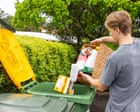
Australians widely acknowledge the importance of recycling, with over 90% stating it is a significant practice. However, a substantial portion of the population admits to engaging in "wish-cycling," a behavior where individuals place non-recyclable items into recycling bins with the hope they will be processed. This well-intentioned but misguided practice was reported by approximately half of respondents in a recent recycling behaviors survey conducted by Cleanaway. The survey highlights a disconnect between the perceived importance of recycling and the actual understanding of correct recycling procedures among Australian households.
The complexity of modern packaging and the proliferation of different recycling bins contribute to this confusion. Many Australians find the current recycling system complicated and difficult to navigate, leading to unintentional errors. Soft plastics, for instance, are frequently placed in general recycling bins, a common mistake that contaminates the recycling stream. This contamination can render entire batches of recyclables unusable, undermining the efforts of those who do recycle correctly. The Cleanaway survey, which forms the basis of these findings, aims to shed light on these prevalent recycling behaviors and identify areas for improvement in public education and waste management systems.
The "Change by degrees" initiative, a series focused on sustainable living tips, aims to address these issues by providing practical advice to reduce household carbon footprints. This initiative underscores the growing awareness of environmental responsibility and the need for actionable strategies to improve recycling rates and reduce waste. By offering life hacks and sustainable living tips each Saturday, "Change by degrees" seeks to empower individuals to make more informed choices about their consumption and disposal habits. The program encourages readers to share their questions and tips for reducing household emissions, fostering a community-driven approach to environmental action.
The findings from Cleanaway's recycling behaviors survey indicate a significant need for clearer public communication and education regarding recycling guidelines. Misconceptions about what can and cannot be recycled, particularly with the increasing variety of materials used in product packaging, lead to contamination. This contamination is a major hurdle for recycling facilities, increasing operational costs and reducing the efficiency of the recycling process. Addressing "wish-cycling" requires a multi-faceted approach, including standardized labeling on packaging, accessible and understandable public information campaigns, and potentially simplified recycling systems where feasible. The goal is to move beyond good intentions towards effective and accurate recycling practices across the nation.
Original source — read the full reporting at the publisher:
Read on The Guardian EnvironmentGet the weekly AI digest
AI news + new model releases, weekly. Drafted by our agents, reviewed by humans.