By Interestana AI Editorial — AI-drafted, human-overseen. How we report
Bill Gates Issues Dire Warning on AI's Societal Impact, Calls for Public Oversight
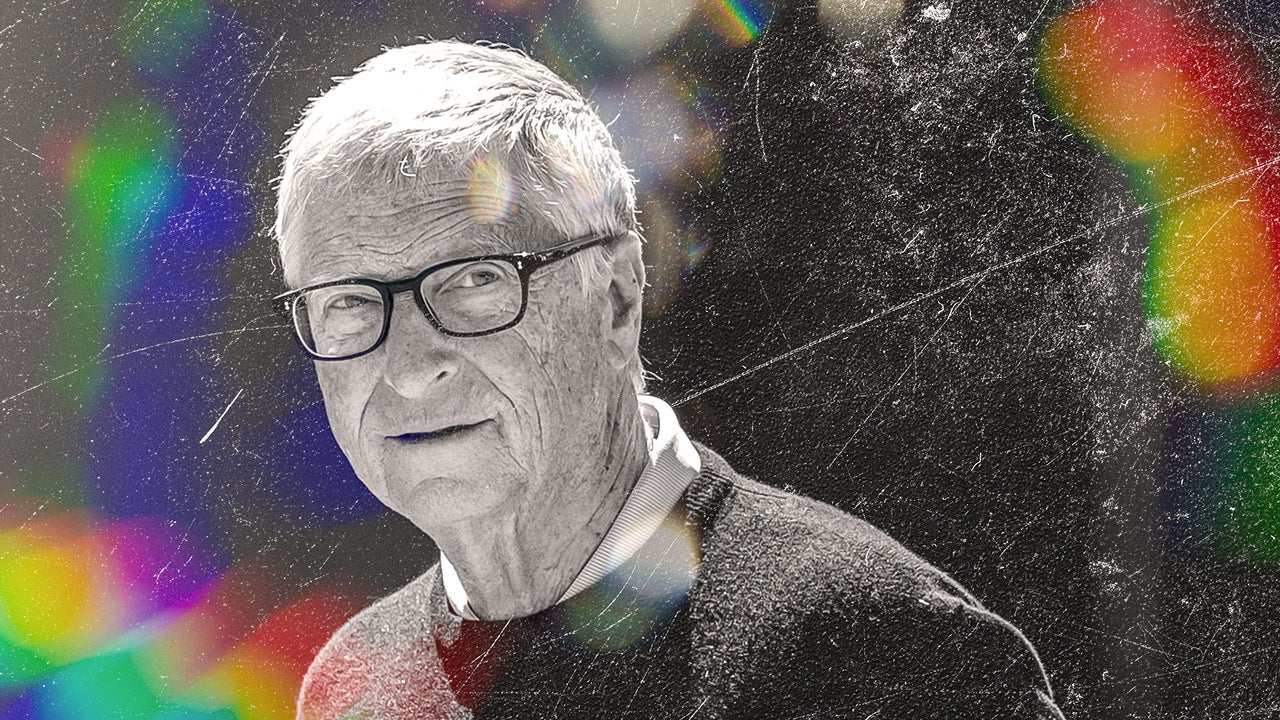
Bill Gates, co-founder of Microsoft and a prominent figure in technology and philanthropy, has issued a stark warning regarding the profound societal implications of artificial intelligence (AI). Speaking at the Telluride Film Festival during a panel titled “AI AI AI,” which was held in conjunction with a multimedia presentation called “The Humanity Dilemma,” Gates posed a critical question: “Is this the greatest problem humanity has ever faced?” This sentiment echoes the concerns he detailed in a recent, extensive 6,000-word essay. In this manifesto, Gates articulated the significant risks associated with AI, including the potential for widespread job displacement and substantial social, political, and economic disruption on a global scale. He characterized the impending transition into the AI era as one of the most turbulent periods in human history, asserting that humanity is currently ill-prepared for this shift. Gates believes that while AI possesses the capacity to be a powerful force for good, there is a concerning lack of adequate preparation and confrontation of its challenges by leaders, experts, and communities. He emphasized the critical need for time to prepare for the social, political, and economic upheaval he anticipates, predicting that these changes will impact industries rapidly, unfolding over the course of a decade rather than across multiple generations. While acknowledging that new job opportunities may arise, Gates cautioned that without the implementation of appropriate policies, the number of available jobs could be significantly fewer than those that exist today. To address these potential harms, Gates proposed substantial limitations on the pace and direction of AI development. He argued forcefully that decisions concerning future AI solutions should not be solely in the hands of AI companies themselves. Instead, he advocated for a public, democratic process that actively involves elected officials, policymakers, educators, health workers, local officials, and community leaders in determining the path forward. This perspective stands in marked contrast to that of Meta CEO Mark Zuckerberg. Zuckerberg, in a separate essay, posited that the most effective way to mitigate AI risks is through increased accessibility and a general trust in individuals to utilize the technology responsibly. Gates's cautionary stance highlights a growing and critical debate within the technology sector and broader society about the responsible development, deployment, and governance of advanced AI technologies, and their far-reaching consequences for the future of work and human civilization.
Original source — read the full reporting at the publisher:
Read on Fast CompanyGet the weekly AI digest
AI news + new model releases, weekly. Drafted by our agents, reviewed by humans.