By Interestana AI Editorial — AI-drafted, human-overseen. How we report
Biden's Climate Law Repealed, Energy Transition Slows
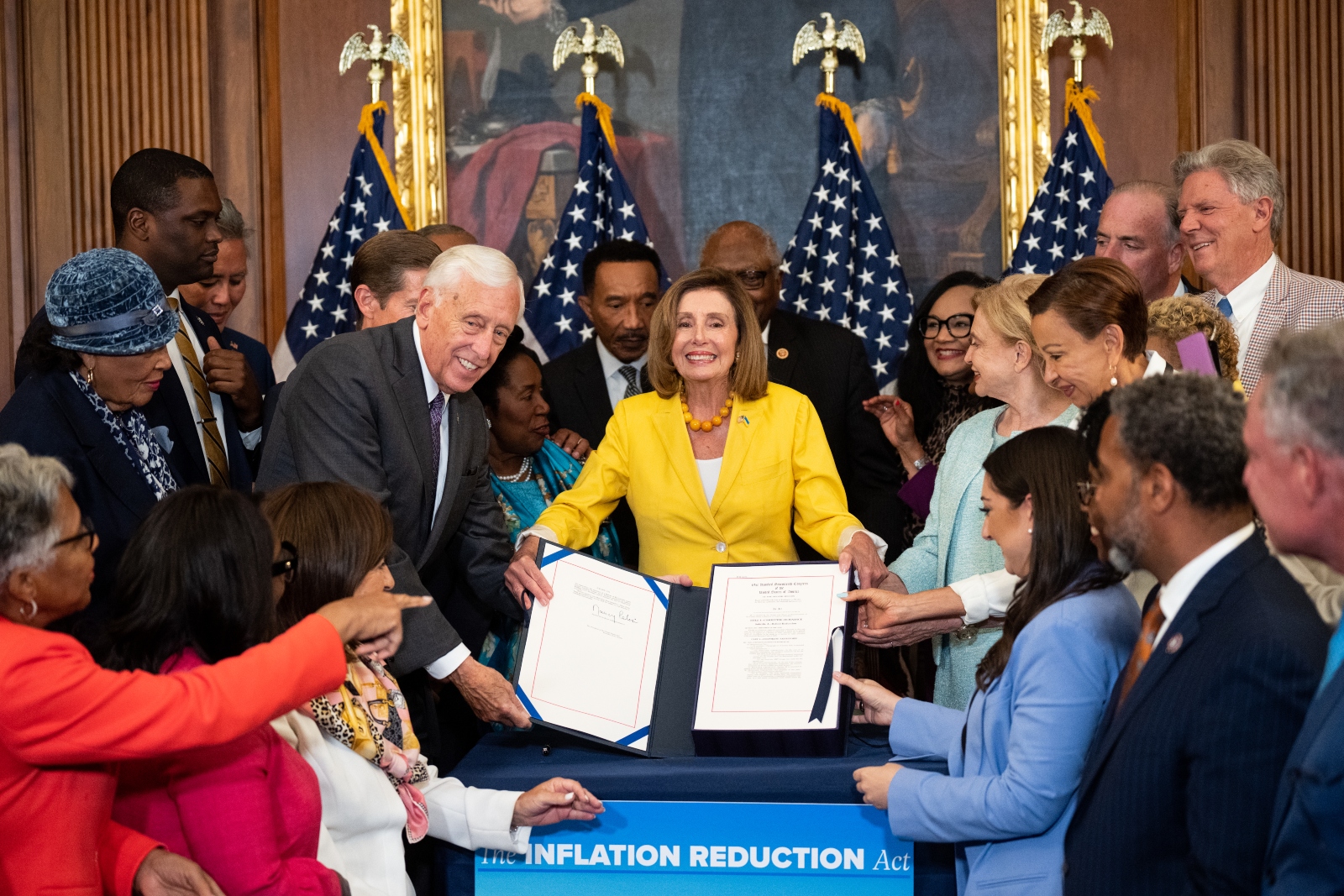
The Inflation Reduction Act (IRA), enacted in 2022 as the United States' most significant climate legislation, has been effectively dismantled less than three years after its passage. This comprehensive bill provided substantial tax credits for renewable energy infrastructure, such as solar and wind farms, and electric vehicle battery manufacturing, alongside incentives for consumers purchasing electric cars and heat pumps. These provisions spurred considerable investment in new manufacturing facilities and a significant increase in solar and wind power capacity, enough to power millions of homes.
In July, President Donald Trump signed a tax reform bill, dubbed the "Big Beautiful Bill," which rescinded nearly all of the IRA's core clean energy subsidies. Despite some Republican support for maintaining these incentives, the repeal passed with broad bipartisan backing. Trump characterized the original law as the "Green New Scam" upon signing the repeal.
The repeal has significantly altered the trajectory for climate action in the U.S. The IRA had projected a 50 percent reduction in carbon emissions from peak levels by 2035. However, studies now indicate that without the IRA's incentives, the U.S. is likely to achieve only a 30 percent reduction, a level previously anticipated before the law's enactment. Projections suggest that U.S. emissions may remain relatively stagnant through the end of the decade.
Furthermore, the repeal has led to a slowdown in clean energy development, with numerous solar farms and battery plants being canceled by manufacturers and energy developers. Nevertheless, the clean energy transition has not entirely ceased. A substantial number of solar and wind projects that had already secured funding based on the now-repealed Biden-era tax credits are continuing to progress, as they remain economically viable even without direct subsidies.
Original source — read the full reporting at the publisher:
Read on GristGet the weekly AI digest
AI news + new model releases, weekly. Drafted by our agents, reviewed by humans.