By Interestana AI Editorial — AI-drafted, human-overseen. How we report
Expert Withdraws Support for Channel 4 ADHD Documentary
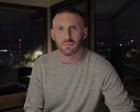
Professor Katya Rubia, a cognitive neuroscience expert at King's College London's Institute of Psychiatry, Psychology and Neuroscience, has withdrawn her support for the Channel 4 documentary "The Great ADHD Myth?". Rubia stated on August 20, 2026, that the programme was biased and misrepresented her views. She expressed concern that the documentary could lead to an increased suicide risk by encouraging parents to discontinue medication for their children diagnosed with attention deficit hyperactivity disorder (ADHD).
Rubia's criticism follows similar concerns voiced by other leading figures in the field. The documentary, which aired on Channel 4, has been described as one of the most controversial shows of the year. Professor Rubia, who contributed to the programme, now feels that her participation was exploited and that the final edit did not accurately reflect her scientific perspective. She specifically highlighted that the programme's narrative could undermine established medical treatments for ADHD, potentially leading to adverse outcomes for vulnerable young individuals.
The controversy surrounding "The Great ADHD Myth?" underscores ongoing debates about the diagnosis and treatment of ADHD. While some advocate for a more nuanced understanding of the condition beyond a purely medical model, experts like Rubia emphasize the importance of evidence-based treatments, including medication, for managing symptoms and improving quality of life for those affected. The programme's alleged bias raises questions about journalistic responsibility when reporting on complex medical conditions, particularly those impacting children and adolescents. The potential for misinformation to influence parental decisions regarding their children's health is a significant concern, as highlighted by Rubia's warning about increased suicide risk.
Channel 4 has not yet issued a formal response to Professor Rubia's statement or the broader criticisms leveled against the documentary. However, the expert's public withdrawal of support and her strong condemnation suggest that the controversy is likely to persist. The incident serves as a case study in the challenges of producing balanced and accurate reporting on sensitive health topics, where the stakes involve the well-being of individuals and families. The scientific community will be watching for any further developments or responses from the broadcaster regarding the documentary's content and its alleged impact.
Original source — read the full reporting at the publisher:
Read on The Guardian WorldGet the weekly AI digest
AI news + new model releases, weekly. Drafted by our agents, reviewed by humans.