By Interestana AI Editorial — AI-drafted, human-overseen. How we report
Beyond Meat Shares Plummet Amidst Reverse Stock Split Announcement
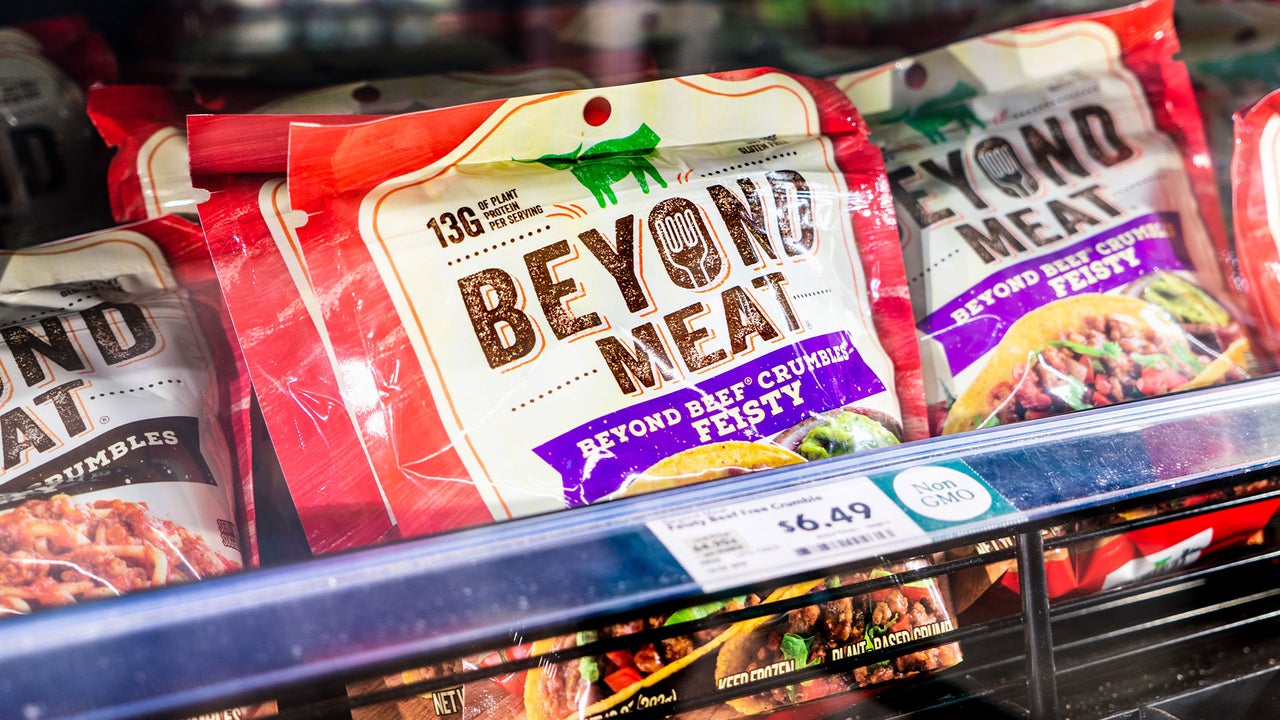
Beyond Meat, Inc. (NASDAQ: BYND) experienced a significant stock price decline, with shares dropping nearly 20% in early morning trading on August 5, 2026, reaching an all-time low valuation of just 41 cents per share. This dramatic fall contrasts sharply with the company's peak trading price of nearly $240 per share. While the company also reported lackluster Q2 2026 financial results on the same day, the primary catalyst for the immediate stock price collapse was the announcement of an impending reverse stock split. Beyond Meat intends to implement a 1-for-30 reverse stock split, a corporate action where every 30 existing shares of BYND will be consolidated into a single new share. This move is the inverse of a traditional stock split, which divides shares to lower the price and potentially increase investor interest. In contrast, a reverse stock split reduces the total number of outstanding shares, thereby increasing the per-share price proportionally to the split ratio. For Beyond Meat, this means its share price will theoretically be thirty times higher post-split than pre-split. Companies typically resort to reverse stock splits not for positive strategic reasons, but rather as a measure to maintain compliance with stock exchange listing requirements. Exchanges often have minimum bid price rules, and a stock trading below a certain threshold, such as $1, risks delisting. By increasing the share price through a reverse split, Beyond Meat aims to avoid being removed from the NASDAQ exchange. The company's financial performance has been a persistent concern, with its plant-based meat alternatives facing increasing competition and evolving consumer preferences. The Q2 2026 financial results, though not the direct cause of the day's sharpest decline, likely contribute to the overall negative investor sentiment surrounding the company. The decision to enact a reverse stock split signals the company's struggle to regain investor confidence and improve its market standing. The long-term implications of this move remain uncertain, as reverse splits are often viewed as a sign of financial distress rather than a path to recovery. Investors will be closely watching Beyond Meat's future performance and its ability to navigate the competitive landscape of the plant-based food industry.
Original source — read the full reporting at the publisher:
Read on Fast CompanyGet the weekly AI digest
AI news + new model releases, weekly. Drafted by our agents, reviewed by humans.