By Interestana AI Editorial — AI-drafted, human-overseen. How we report
Luke Harding Book Questions Trump's Russia Ties
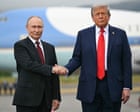
Luke Harding, a correspondent for The Guardian, has authored a book titled "Betrayal," which critically examines the United States' relationship with Ukraine and explores potential reasons behind perceived betrayals. The book delves into the approaches of various U.S. presidents toward Russian President Vladimir Putin, highlighting their differing assessments and actions. George W. Bush, upon meeting Putin in 2001, famously stated he had "looked the man in the eye" and sensed his soul, finding him "trustworthy." In contrast, Barack Obama perceived Putin's interventions in Ukraine and Syria as a mistake but did not take significant action. Joe Biden supported Ukraine's defense against the Russian invasion but exhibited risk aversion, fearing Putin might resort to nuclear weapons if cornered. This caution led to a reluctance for long-range strikes against Russian territory, a strategy Kyiv has since adopted on a daily basis.
The review of "Betrayal" suggests that Ukrainian frustration with U.S. caution led them to anticipate Donald Trump's potential to disrupt the status quo following a re-election. However, Harding's account posits that Trump believed his personal rapport with Putin would be sufficient to broker an immediate ceasefire. Within Trump's perspective, as presented in the book, Ukrainian President Volodymyr Zelenskyy was viewed as the impediment to peace, given the ongoing conflict. The book raises pointed questions about whether Donald Trump could be considered a Russian asset, exploring the implications of his foreign policy decisions and his interactions with Russian leadership.
Harding's work, as reviewed, offers a sobering account that prompts readers to consider the complex geopolitical dynamics at play and the potential for foreign influence in American presidential decision-making. The narrative contrasts the perceived strategic missteps and cautious approaches of previous administrations with Trump's more unconventional and direct engagement with Putin. The review emphasizes the book's focus on the "possible reasons" behind U.S. actions concerning Ukraine, suggesting a deeper analysis of motivations and allegiances. The Guardian correspondent's reporting aims to provide a comprehensive look at a critical period in international relations, particularly concerning the conflict in Ukraine and its broader implications for global security. The book's central thesis appears to be an investigation into the extent to which U.S. policy has been compromised or influenced by Russian interests, with a particular focus on the Trump presidency.
Original source — read the full reporting at the publisher:
Read on The Guardian CultureGet the weekly AI digest
AI news + new model releases, weekly. Drafted by our agents, reviewed by humans.