By Interestana AI Editorial — AI-drafted, human-overseen. How we report
Netanyahu Calls UK 'Islamic Republic' With Nuclear Weapons
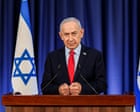
Israeli Prime Minister Benjamin Netanyahu made controversial remarks during an interview for Israel's army radio, referring to the United Kingdom as "the Islamic republic of Britain." He further elaborated on this statement by describing the UK as the "first Islamic republic to get a nuclear weapon." These comments, made in a podcast interview, have drawn criticism from political rivals who have labelled his statements as an attack on an international ally and indicative of a "horrific diplomatic failure." The phrasing employed by Netanyahu taps into a far-right Islamophobic trope that has been used to characterize Britain, particularly in relation to its Muslim population. The context of these remarks suggests a deliberate invocation of divisive rhetoric, potentially aimed at a specific political audience within Israel. The implications of such statements extend to international relations, potentially straining diplomatic ties between Israel and the United Kingdom. The specific podcast interview for Israel's army radio, where these comments were made, highlights the platform used for their dissemination. The criticism from political rivals underscores the domestic political ramifications of Netanyahu's foreign policy pronouncements. The characterization of the UK as an "Islamic republic" is factually inaccurate, as the UK is a secular parliamentary democracy with a constitutional monarchy. The assertion that it is the "first Islamic republic to get a nuclear weapon" is also a baseless claim, as the UK is a recognized nuclear power, but its government is not an Islamic republic. The remarks have been interpreted as playing into Islamophobic narratives, a concern raised by those who view such language as harmful and divisive. The broader impact of these comments on the perception of Israel and its leadership on the international stage remains to be seen, but they have undoubtedly generated significant controversy and condemnation from within Israel's political landscape. The specific nature of the criticism points to a perceived lack of diplomatic acumen and a disregard for established international norms in political discourse. The reference to a "horrific diplomatic failure" suggests that political opponents believe these statements will have tangible negative consequences for Israel's foreign relations.
Original source — read the full reporting at the publisher:
Read on The Guardian WorldGet the weekly AI digest
AI news + new model releases, weekly. Drafted by our agents, reviewed by humans.