By Interestana AI Editorial — AI-drafted, human-overseen. How we report
Asian Hornets Threaten UK Pollinators, Beekeepers Warn
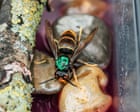
British beekeepers have issued a stark warning regarding the invasive Asian hornet, advocating for a national awareness campaign to address the escalating threat it poses to native pollinators and food security. The yellow-legged hornet, a species native to Southeast Asia, is believed to have first established a presence in Europe around 2004. Its proliferation across the continent is likely exacerbated by increasingly warmer spring and summer seasons, creating conditions favorable for its survival and reproduction. Beekeepers are particularly concerned about the hornet's predatory behavior, which targets honeybees and other beneficial insects, leading to the formation of what they term "pollinator deserts." These deserts represent areas where the natural pollination process is severely disrupted due to the decimation of insect populations. The impact extends beyond the immediate ecosystem, with significant implications for agricultural productivity and the broader food supply chain. The Asian hornet's voracious appetite for honeybees means that entire colonies can be wiped out, impacting not only honey production but also the vital pollination services bees provide to a wide range of crops. This loss of pollinators directly affects the yield and quality of fruits, vegetables, and other agricultural products that rely on insect pollination for successful reproduction. The beekeeping community emphasizes that a lack of public awareness about the hornet's presence and its ecological role hinders effective control measures. Early detection and rapid response are crucial for containing the spread of invasive species, and public vigilance can play a significant role in identifying new incursions. Without widespread knowledge of the hornet's appearance and behavior, it becomes more difficult to distinguish it from native species, potentially delaying vital eradication efforts. The call for a national campaign aims to educate the public, landowners, and relevant authorities on how to identify the Asian hornet, report sightings, and understand the importance of its control. This proactive approach is seen as essential to mitigating the long-term economic and environmental consequences of this invasive predator. The potential for "pollinator deserts" signifies a critical ecological imbalance, where the absence of pollinators can lead to a cascade of negative effects throughout the environment and agricultural systems. The beekeepers' plea underscores the interconnectedness of biodiversity, agriculture, and food security, highlighting the urgent need for coordinated action against invasive species.
Original source — read the full reporting at the publisher:
Read on The Guardian WorldGet the weekly AI digest
AI news + new model releases, weekly. Drafted by our agents, reviewed by humans.