By Interestana AI Editorial — AI-drafted, human-overseen. How we report
FDA Approves Bemotrizinol for Sunscreens in U.S.
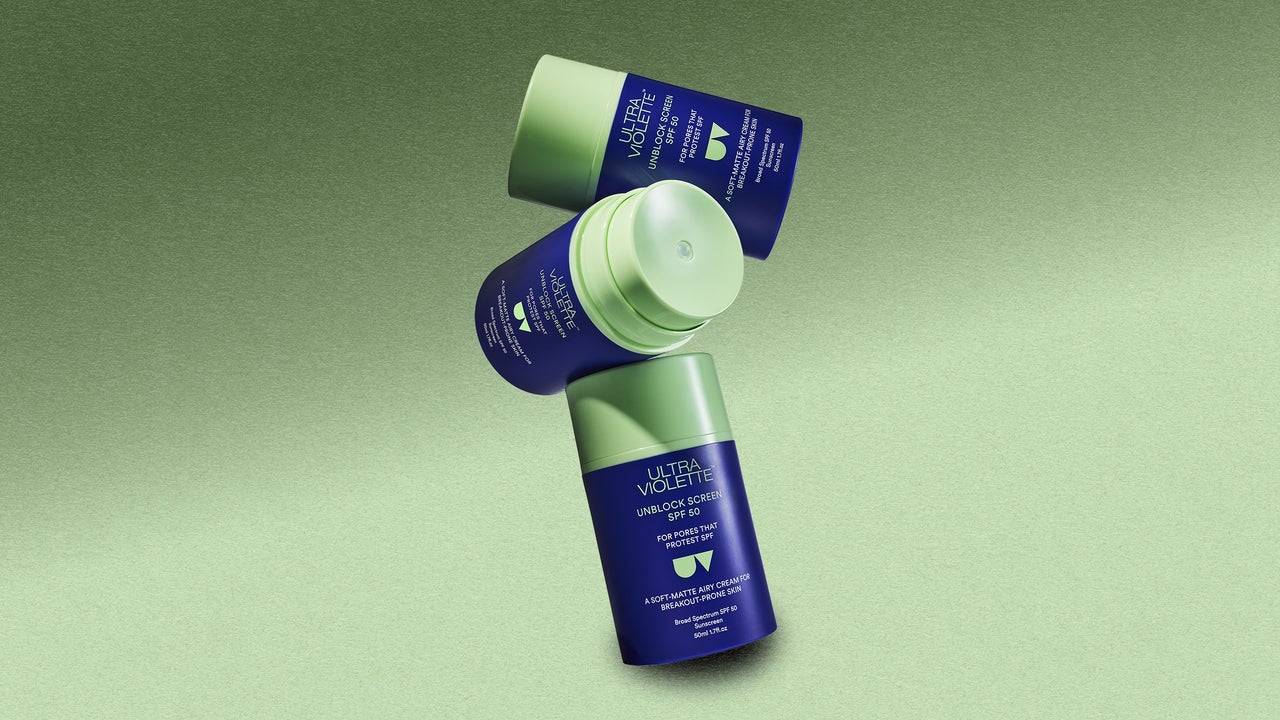
The U.S. Food and Drug Administration (FDA) approved bemotrizinol (BEMT) as a sunscreen filter on June 9, marking a significant development for the skincare industry after a 27-year hiatus in approving new sunscreen ingredients. This approval is anticipated to reshape the U.S. sunscreen market by allowing access to an ingredient that offers enhanced formulation flexibility and product aesthetics. Bemotrizinol is a broad-spectrum chemical filter known for its efficacy at lower concentrations and its slow degradation rate, which facilitates the creation of lighter sunscreen formulations that do not leave a white cast or heavy residue on the skin. This advancement is particularly impactful in the United States, the world's largest national skincare and cosmetics market, where innovation in sunscreen has been constrained by outdated technologies and a limited selection of approved filters. Historically, achieving high sun protection factors (SPF) in the U.S. often necessitated compromises in product texture and wearability. The approval of BEMT provides cosmetic chemists and formulators with a valuable new tool to develop sunscreens that offer robust UVA and UVB protection while maintaining an "ultralight, invisible, elegant texture," according to Samantha Brett, founder and CEO of Naked Sundays. The limited innovation in U.S. sunscreens has previously led consumers to seek out products internationally, with popular destinations for sunscreen shopping including French pharmacies, Olive Young in Korea, and Don Quijote in Japan. This consumer behavior highlights the demand for advanced sunscreen formulations that have been less accessible domestically. Ultra Violette cofounder Ava Chandler-Matthews described the FDA's decision as "a door crack to what could be, to what the industry could look like," emphasizing that the U.S. has lagged behind the rest of the world in sunscreen innovation. The FDA's last approval of a sunscreen filter occurred in 1999, leaving the market reliant on a handful of chemical and mineral filters. Bemotrizinol's properties are expected to address some of these long-standing limitations, enabling brands to create products that are not only highly protective but also more appealing and comfortable for daily use. The approval signifies a turning point, potentially leading to a new era of sunscreen development and consumer choice within the United States.
Original source — read the full reporting at the publisher:
Read on Fast CompanyGet the weekly AI digest
AI news + new model releases, weekly. Drafted by our agents, reviewed by humans.