By Interestana AI Editorial — AI-drafted, human-overseen. How we report
U.S. Strikes Iranian Rocket Launchers Near Hormuz Amid Escalating Tensions
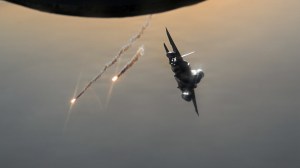
United States forces carried out a military strike against Iranian rocket launchers positioned on the Strait of Hormuz on Sunday, representing the first direct military engagement in approximately one month. This action breaks a lull in an intermittent conflict that has now persisted for over six months. The U.S. official, speaking anonymously to disclose sensitive military intelligence, stated that forces from Iran's Islamic Revolutionary Guard Corps (IRGC) were observed preparing to launch rockets armed with sea mines into the strategically vital strait. The IRGC, a branch of the Iranian Armed Forces established after the 1979 revolution, plays a significant role in Iran's military and economic sectors, often acting as a proxy force in regional conflicts. The Strait of Hormuz, a narrow waterway connecting the Persian Gulf to the Gulf of Oman, is a critical chokepoint for global oil shipments, with approximately 20-30% of the world's oil passing through it daily. The U.S. military had, in the preceding week, completed the removal of sea mines from the strait's international shipping routes, underscoring the immediate threat posed by these naval weapons. Following the U.S. strike, semi-official news outlets in Iran reported the sounds of explosions near Larak Island, an Iranian island located within the strait. The IRGC subsequently issued a statement, disseminated by Iran's state broadcaster, confirming "the martyrdom and injury of several of our fighters and compatriots" and issuing a stern warning that the attack "will result in punishment of the aggressor." This escalation comes just days after the Trump administration publicly declared a strategic pivot, intending to intensify economic pressure—primarily through sanctions—rather than relying on further military action to compel Iran to end its ongoing conflict with the U.S. This new strategy centers on the threat of severe penalties for any country or entity that continues to engage in business with Tehran. The shift towards utilizing sanctions as the primary instrument of policy occurs at a time when the U.S. administration is reportedly assessing diminished munitions stockpiles. These concerns stem from months of sustained warfare and raise significant questions about the potential impact of the prolonged conflict on U.S. military readiness in other global theaters. As the conflict continues to unfold, President Trump's public pronouncements regarding a swift resolution to the war appear to be evolving. He recently emphasized that he is "not in a hurry" to bring Iran back to the negotiating table, while consistently asserting that the leadership of the Islamic Republic is under considerable strain. Trump has repeatedly highlighted the effectiveness of the U.S. and Israeli military campaign, claiming it has inflicted severe damage on Iran's navy and air force. Conversely, Iranian officials have reported substantial economic repercussions, stating the country has suffered cumulative direct and indirect damages amounting to $270 billion. Early in the conflict, Israeli military strikes were also reported to have significantly degraded Iran's military capabilities.
Original source — read the full reporting at the publisher:
Read on FortuneGet the weekly AI digest
AI news + new model releases, weekly. Drafted by our agents, reviewed by humans.