By Interestana AI Editorial — AI-drafted, human-overseen. How we report
Bangkok Declares Flood Disaster Amidst Severe Rainfall and Canal Overflows
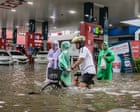
Authorities in Bangkok have officially declared a flood disaster across the Thai capital following nearly two days of relentless heavy rainfall. The deluge has resulted in widespread waterlogging, affecting residential areas, commercial establishments, and crucial roadways. In some severely impacted locations, residents have been forced to wade through waist-deep water, highlighting the immediate and perilous nature of the situation. The intensity of the rainfall was particularly notable, with specific areas of Bangkok recording an extraordinary 300 millimeters (approximately 11.8 inches) of precipitation over a 48-hour period that concluded on Saturday. This substantial volume of rain significantly exceeded the capacity of the city's drainage systems, leading to the inundation of numerous roads and causing some vehicles to become completely submerged.
A critical factor exacerbating the flooding has been the swelling of Bangkok's extensive network of canals. These canals, which form an integral part of the city's urban infrastructure and historical development, became overwhelmed by the sheer volume of water. As they breached their banks, murky water surged into surrounding homes, restaurants, and shops, causing considerable damage and severe disruption to the daily lives and livelihoods of residents and business owners. The declaration of a flood disaster signifies the gravity of the event and the extensive impact on the city's population and its economy.
This event underscores Bangkok's vulnerability to extreme weather, a challenge amplified by its low-lying topography and extensive canal system, which historically aided in water management but can now contribute to flooding during intense rainfall. The recorded rainfall of 300mm in 48 hours represents a rainfall intensity that is increasingly being observed globally, often linked to the broader impacts of climate change. Such events strain urban infrastructure, which may not have been designed to cope with the magnitude of modern extreme weather. The visual evidence of submerged cars and residents navigating flooded streets serves as a stark reminder of the immediate human and economic costs associated with such natural disasters, prompting a renewed focus on urban resilience and adaptation strategies in the face of a changing climate.
Original source — read the full reporting at the publisher:
Read on The Guardian EnvironmentGet the weekly AI digest
AI news + new model releases, weekly. Drafted by our agents, reviewed by humans.